Terminus — GaaS UX Concept
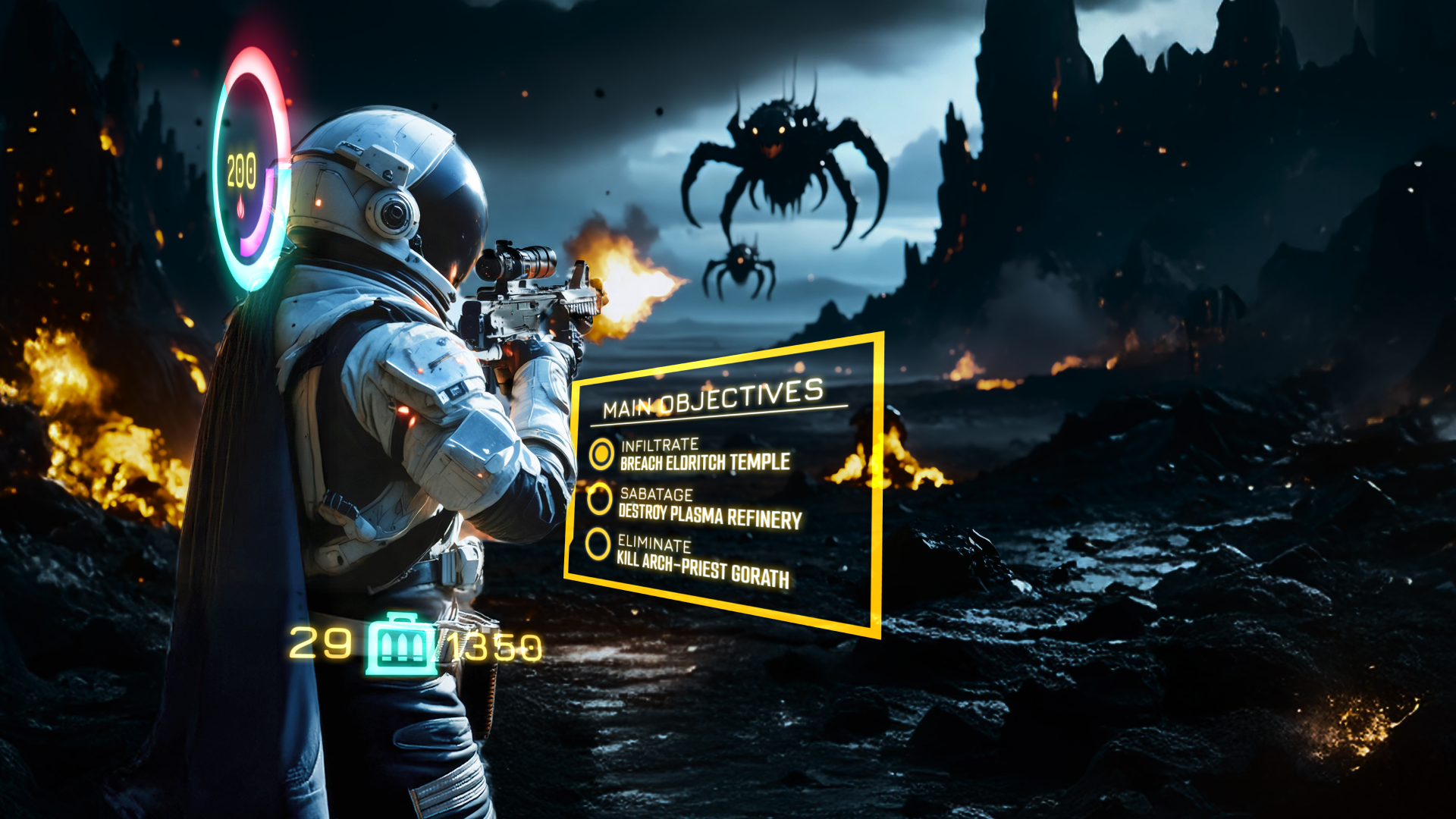
Terminus is a Game UI/UX Concept inspired by looter-shooter games while integrating prominent RPG elements for a live-service model. The concept combines science fiction and cosmic horror in terms of aesthetic and narrative premise.
This is an independent personal project. The general game concept is a "Live service, RPG-heavy, looter-shooter game taking place in a Sci-Fi/Cosmic Horror setting," which tackles the feature demands of those genres simultaneously.
There's a sense of detachment from the player character in a lot of looter-shooters — they're usually cookie-cutter and one-dimensional. The goal was to create an interface that encouraged aesthetic and game-wise customization. Core goals:
- Encourage player identity through a customizable character system.
- Design a live service framework that doesn't rely on hero characters.
- Blend hi-tech and cosmic horror aesthetics across all UI surfaces.
Competitive Analysis
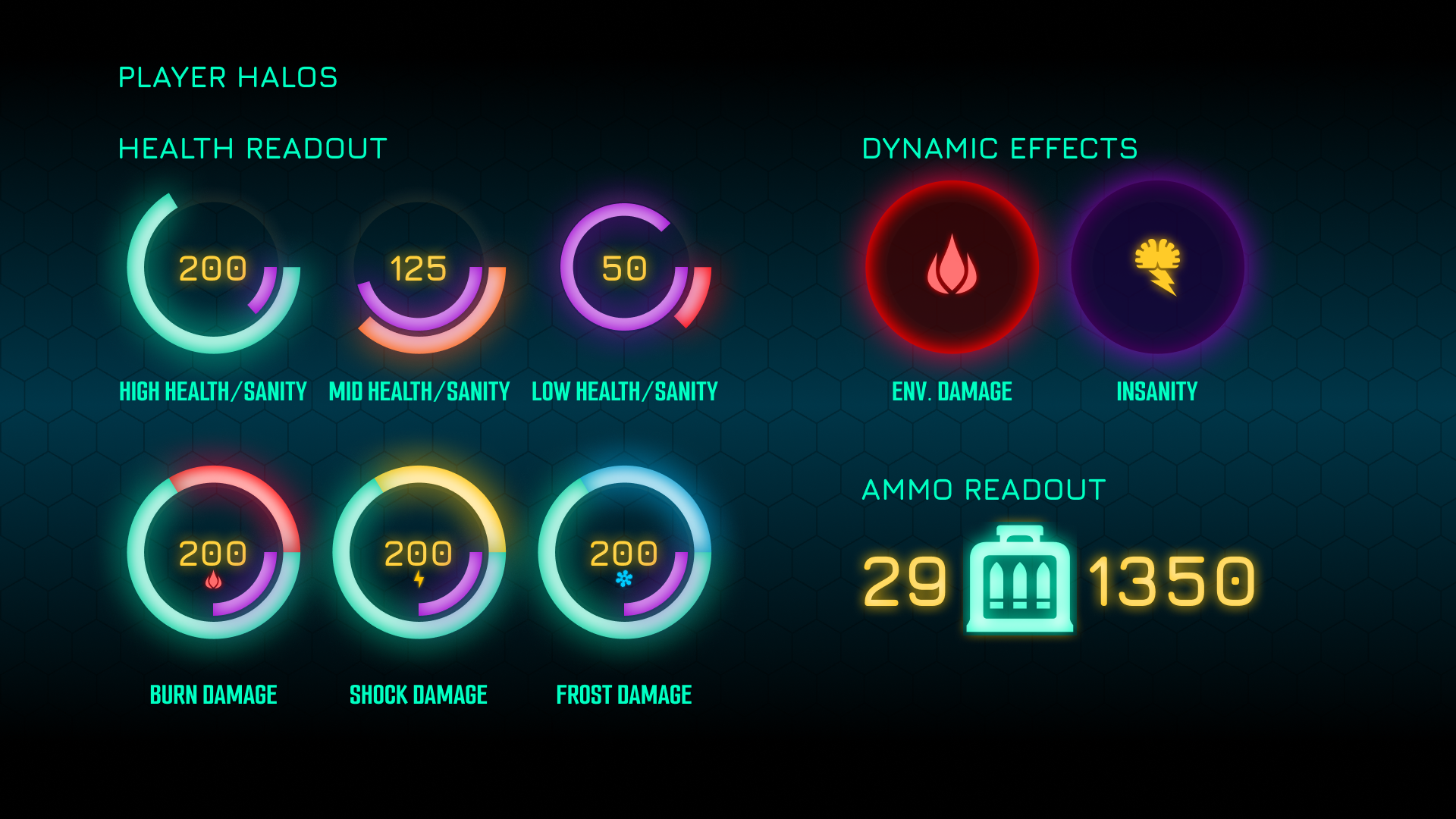
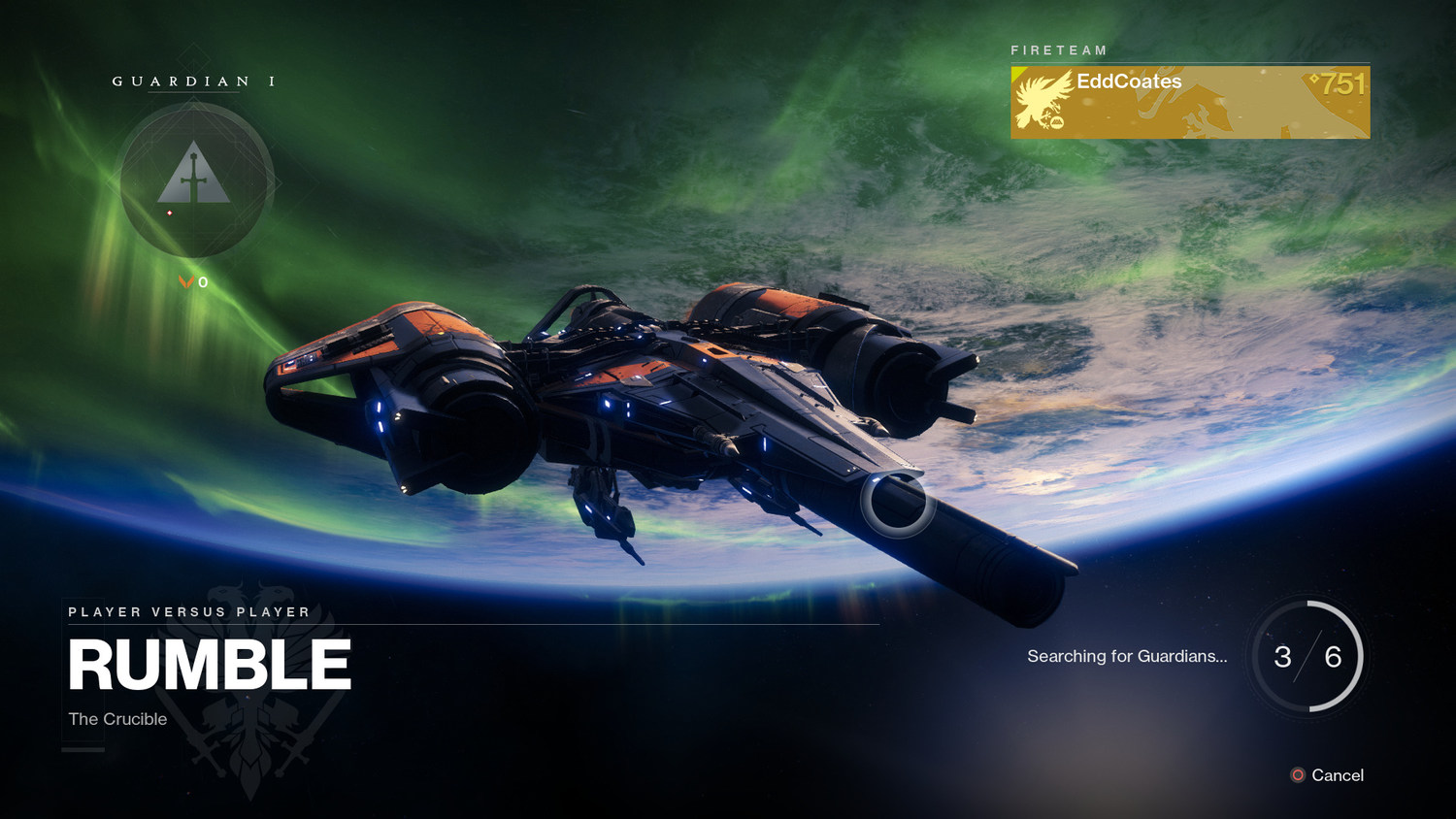
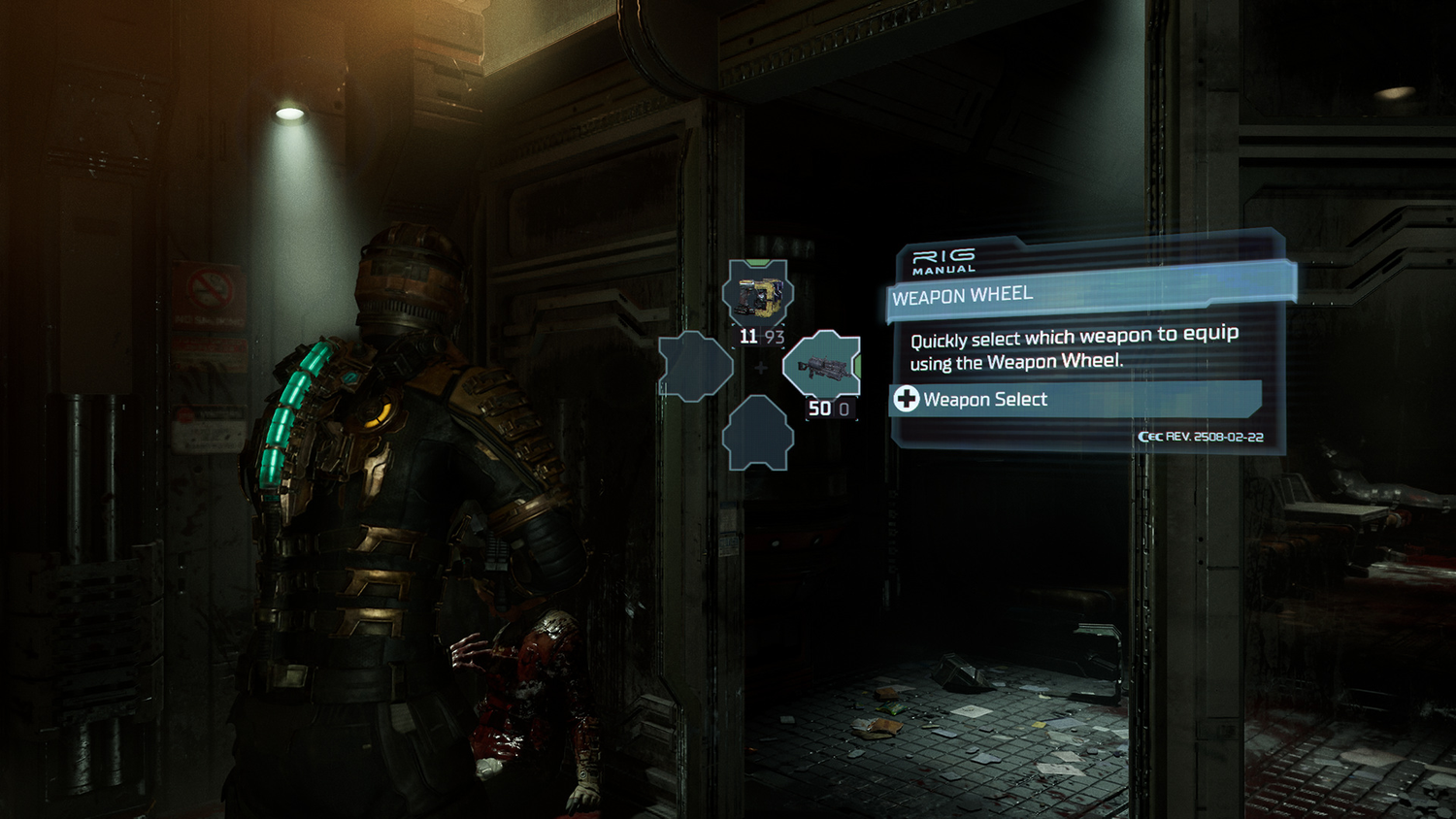
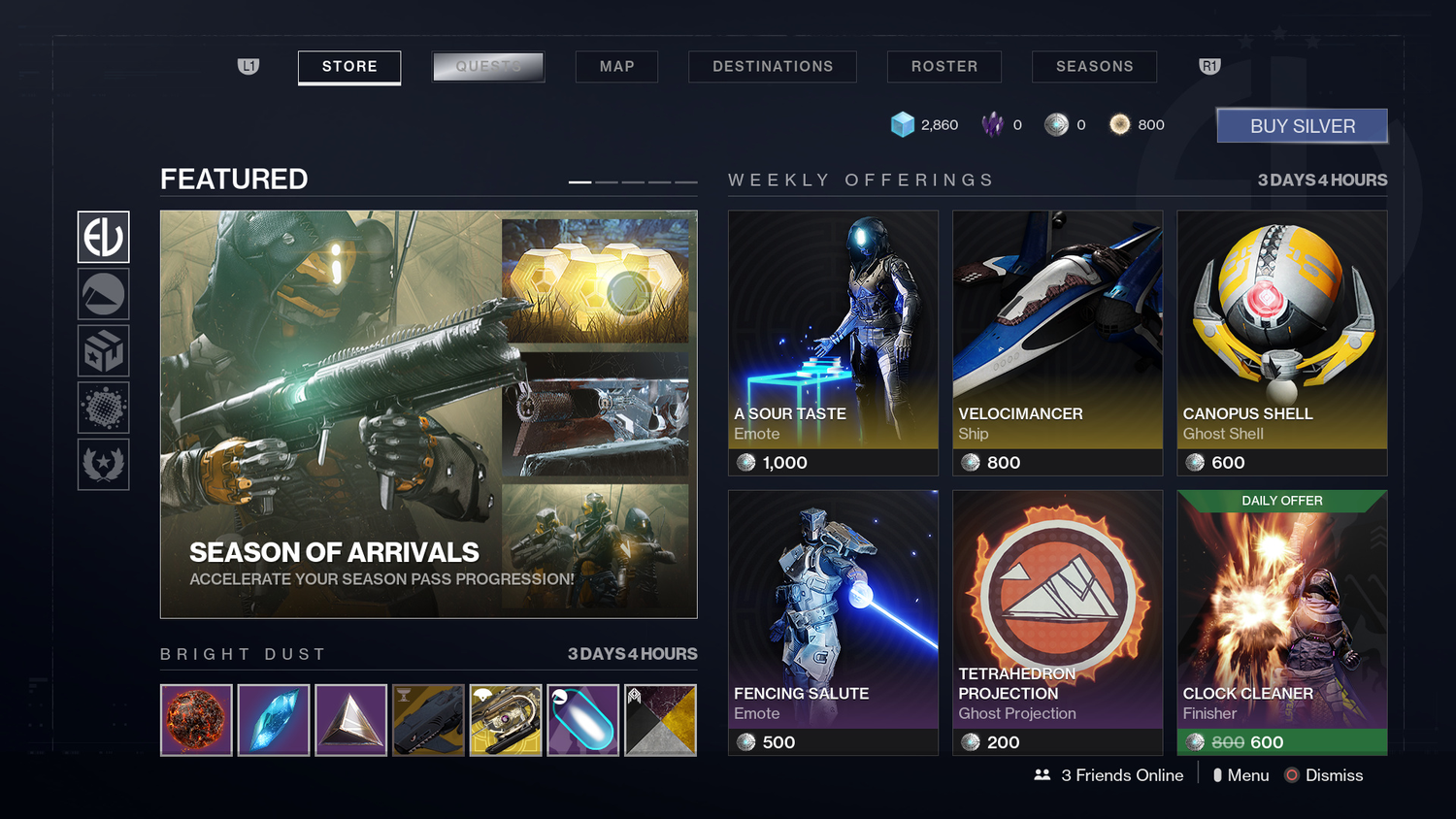
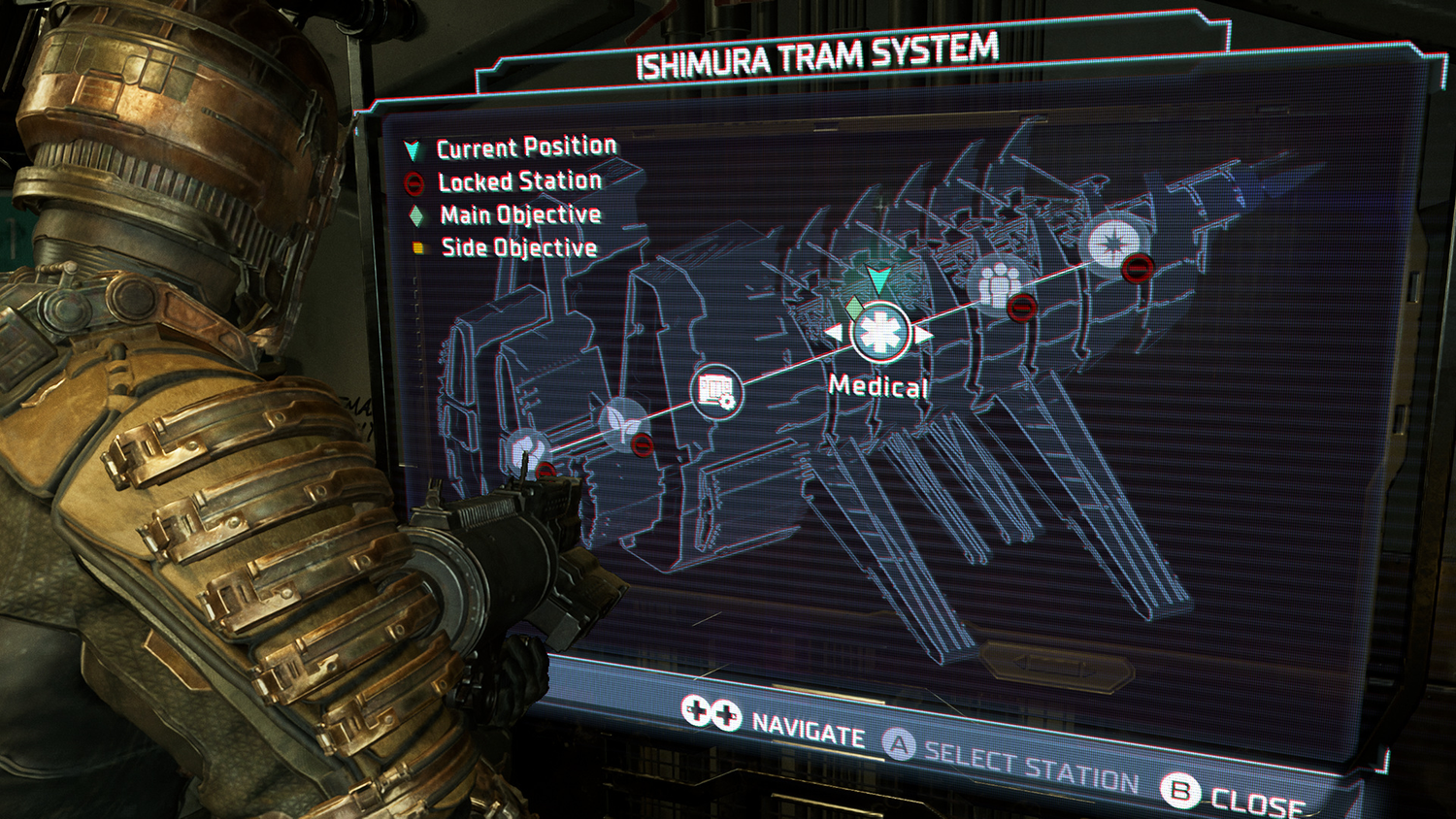
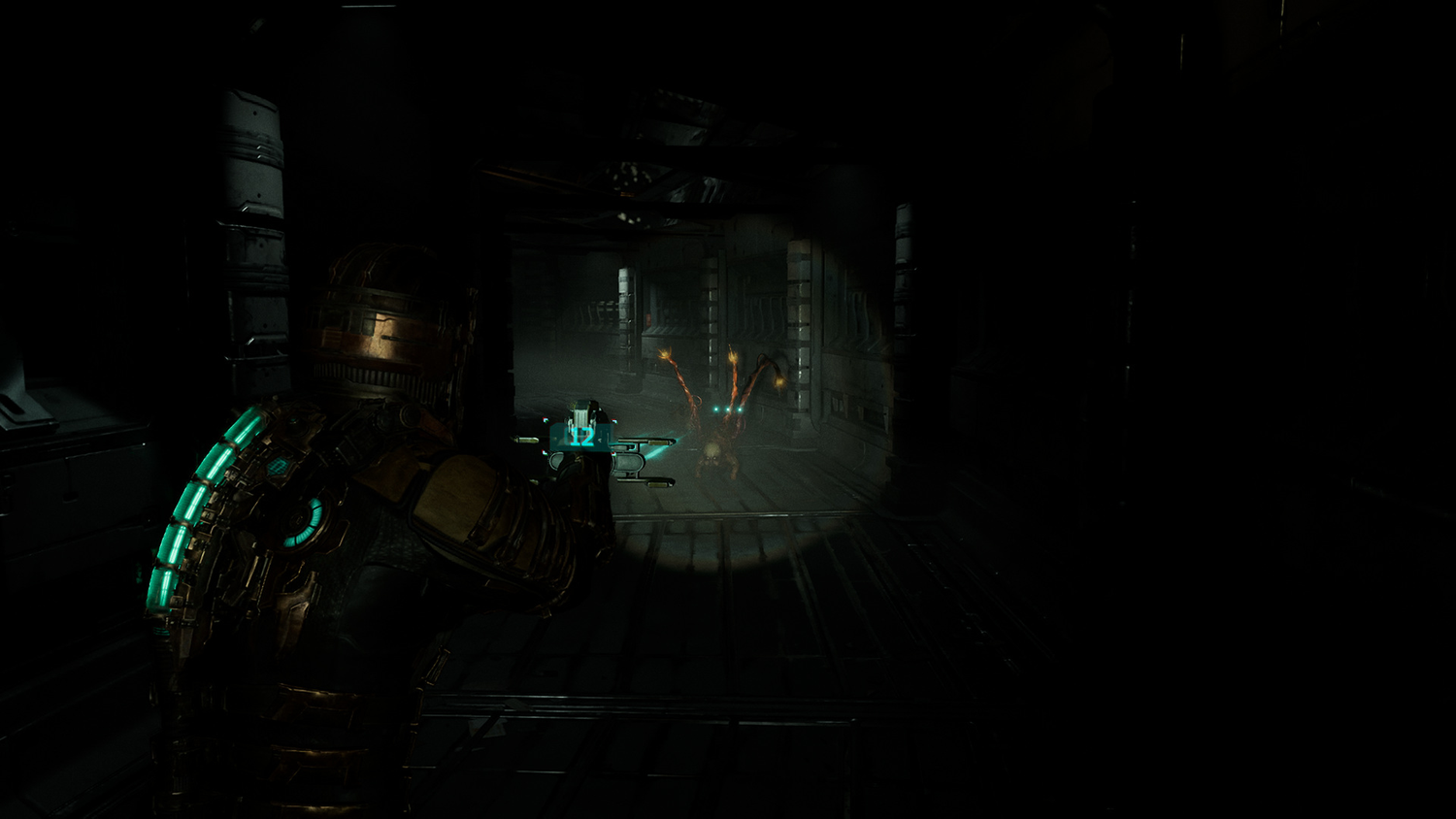
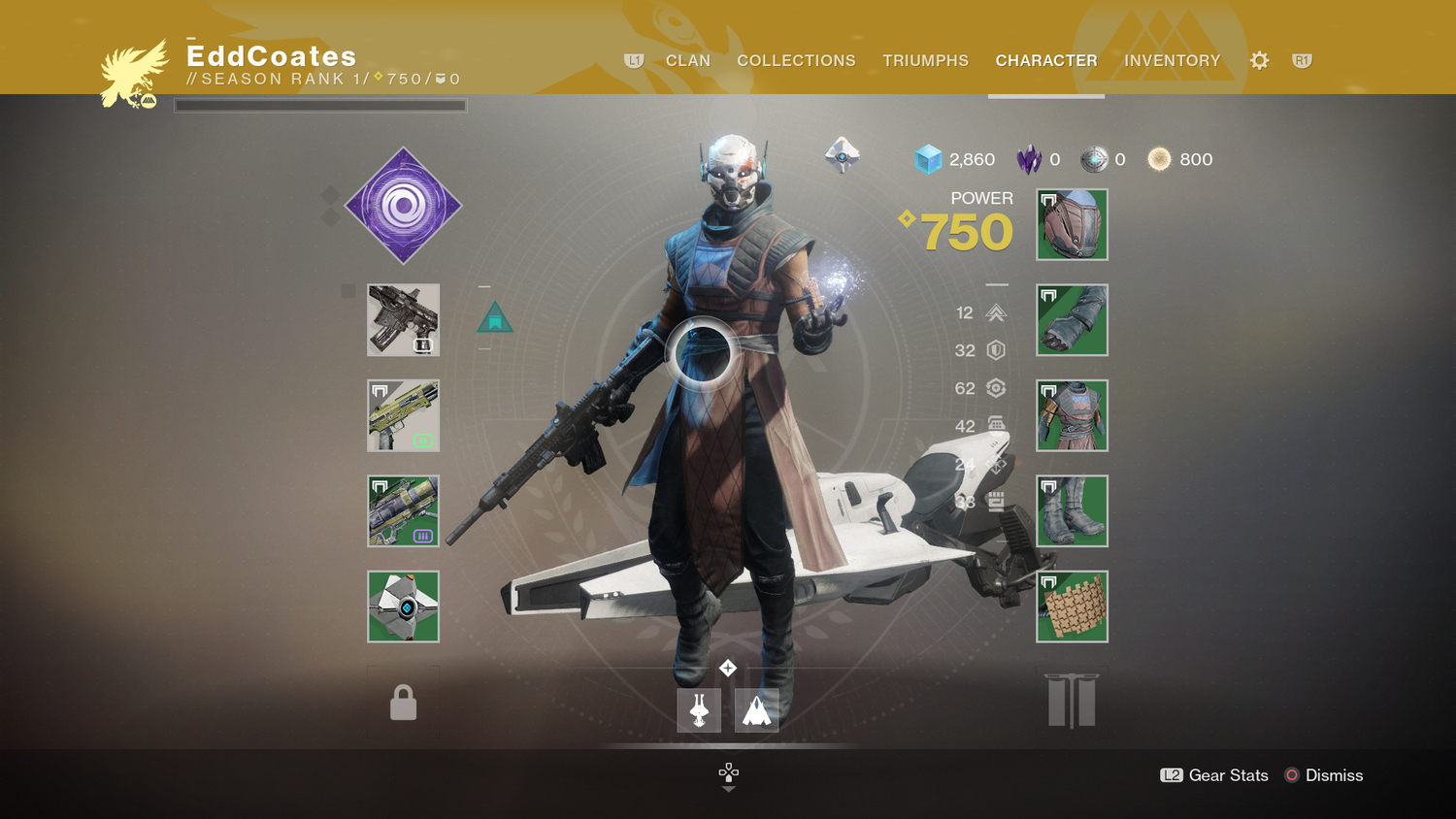
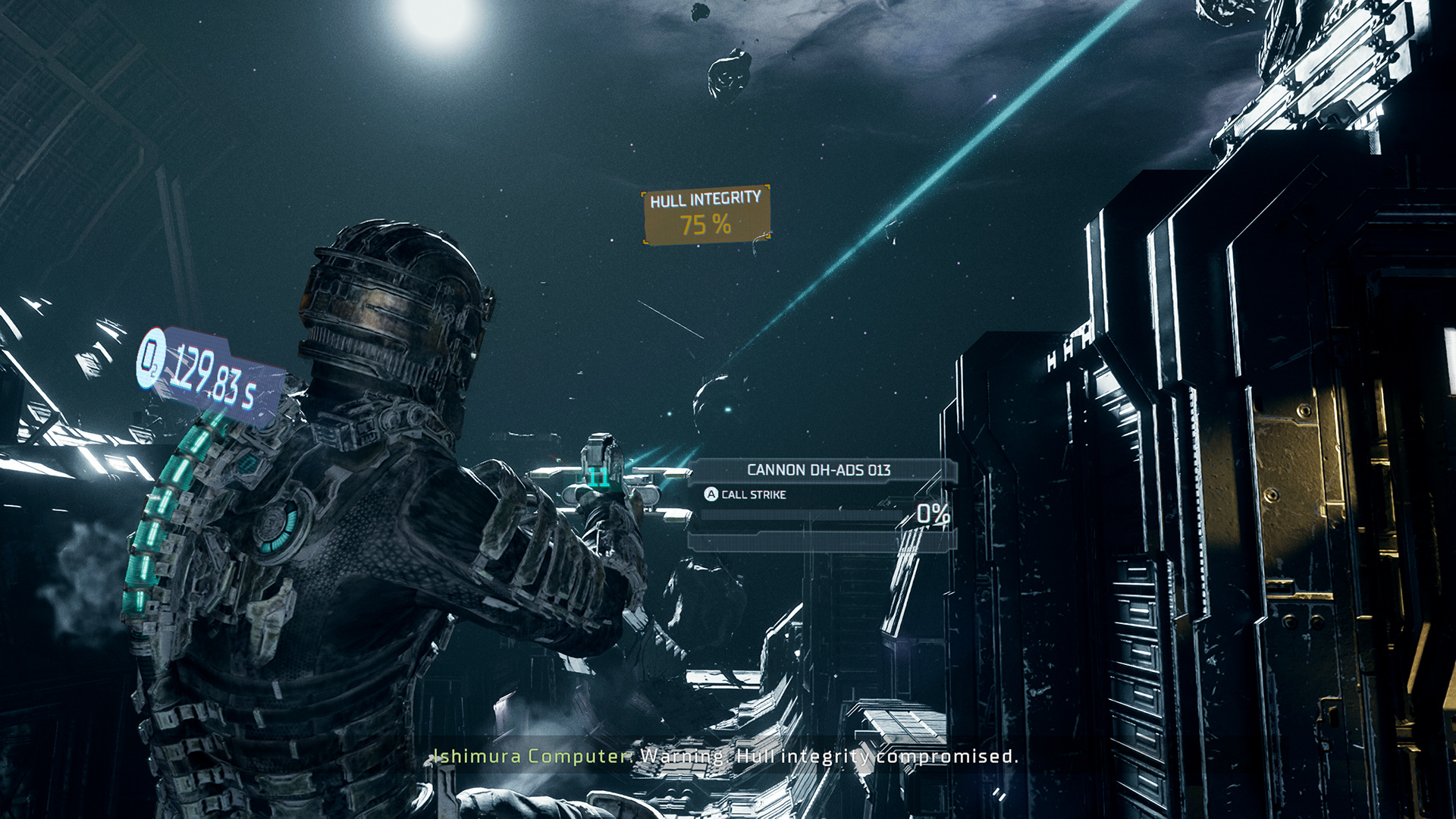
Destiny 2 is the definitive looter-shooter RPG live service game — its icon-to-category interface and cursor-based navigation serve as the primary reference point. Dead Space uses minimal HUD elements to enforce a horror ambiance. Since Terminus is a cosmic horror concept, a similar HUD philosophy feeds into the Sci-Fi horror aesthetic.
User Flow
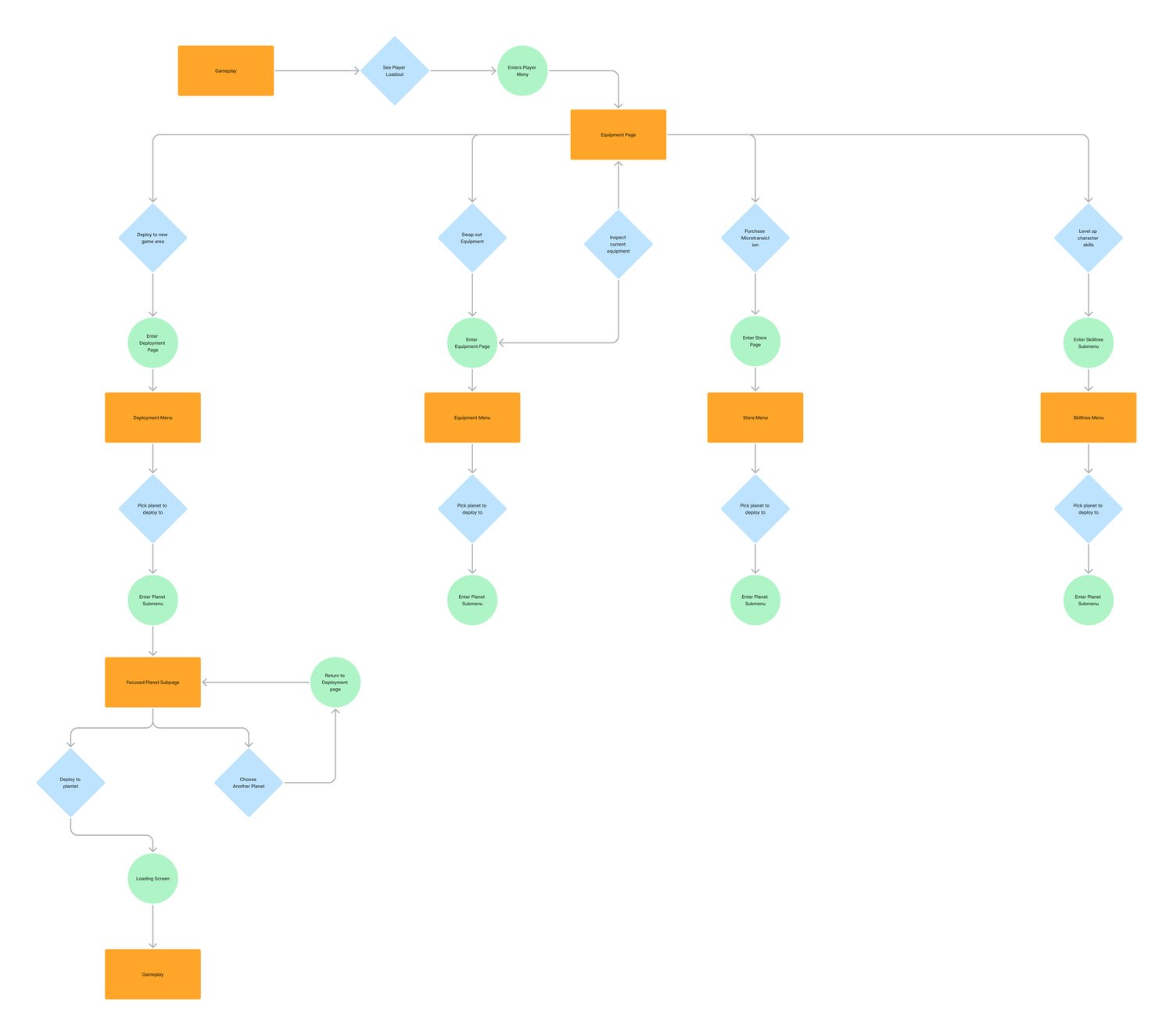
The user flow of the Character Menu is inspired by Destiny 2's character menu, where the equipment page serves as the landing page for the whole menu.
Design Iterations
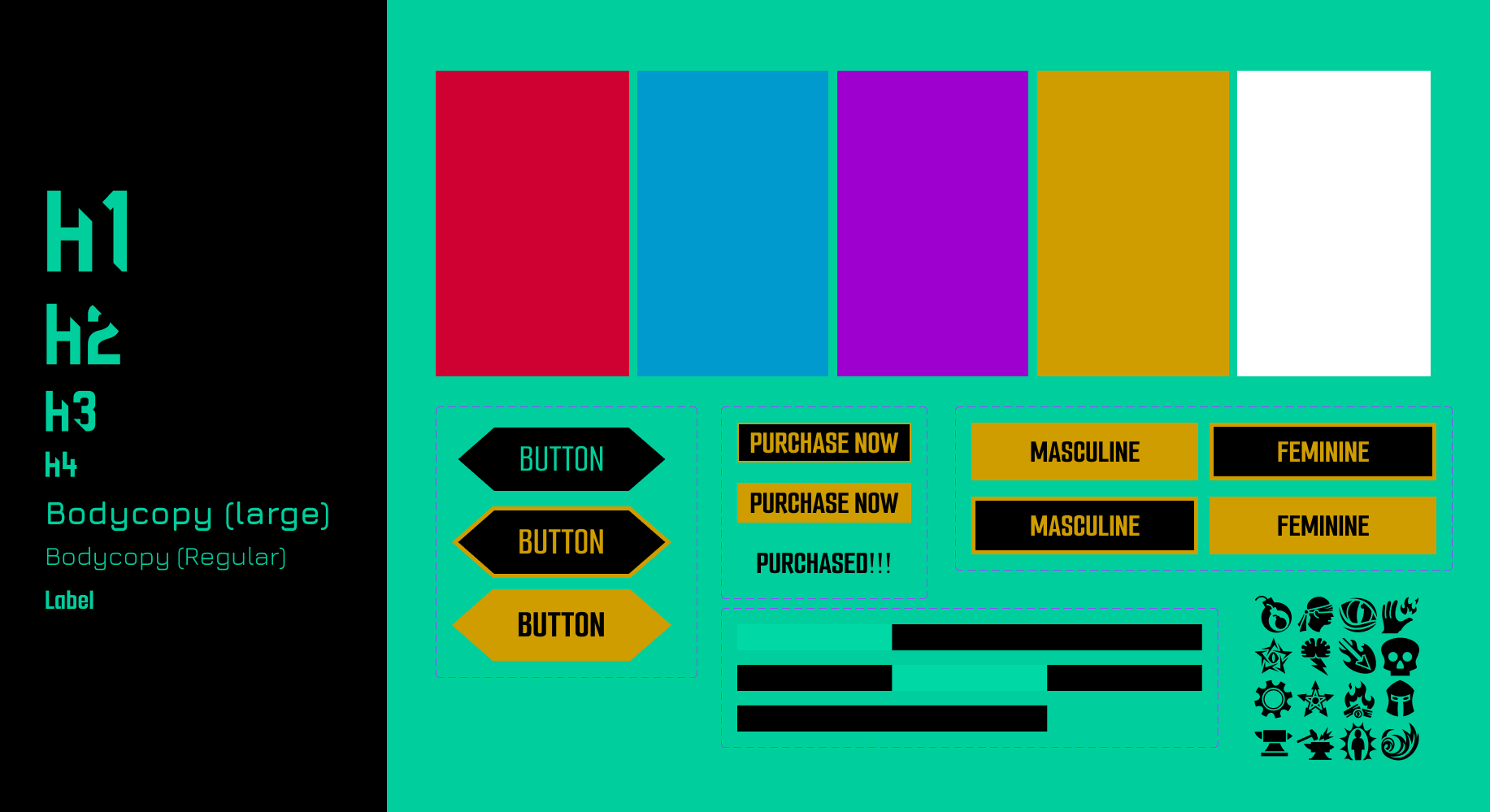
The main focus was finding a balance of hi-tech and occult designs that make sense within a science fiction, cosmic horror theme. The color scheme was kept as simplistic as possible and applied consistently across situations — item rarity, gameplay difficulty, and navigation states.
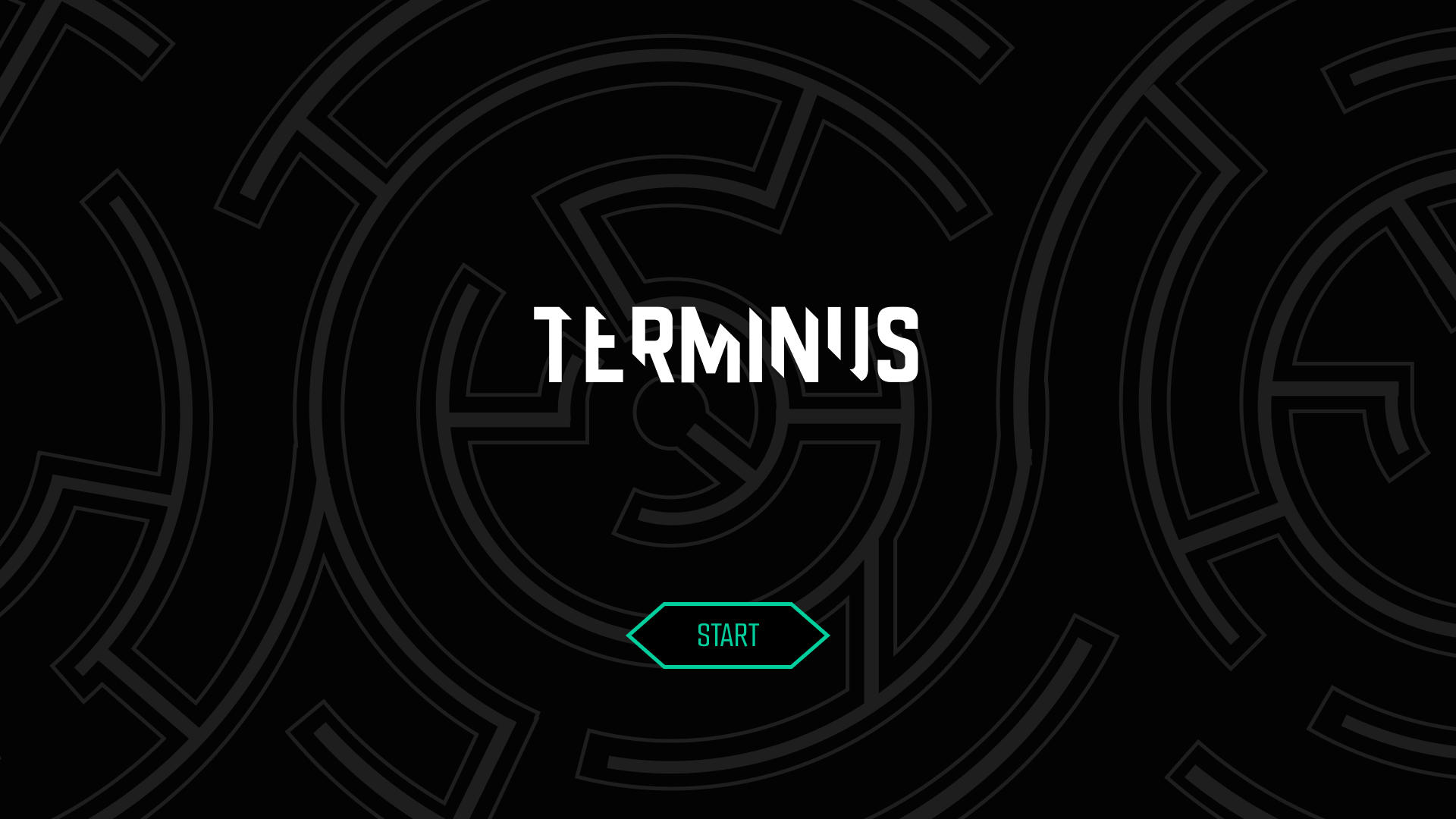
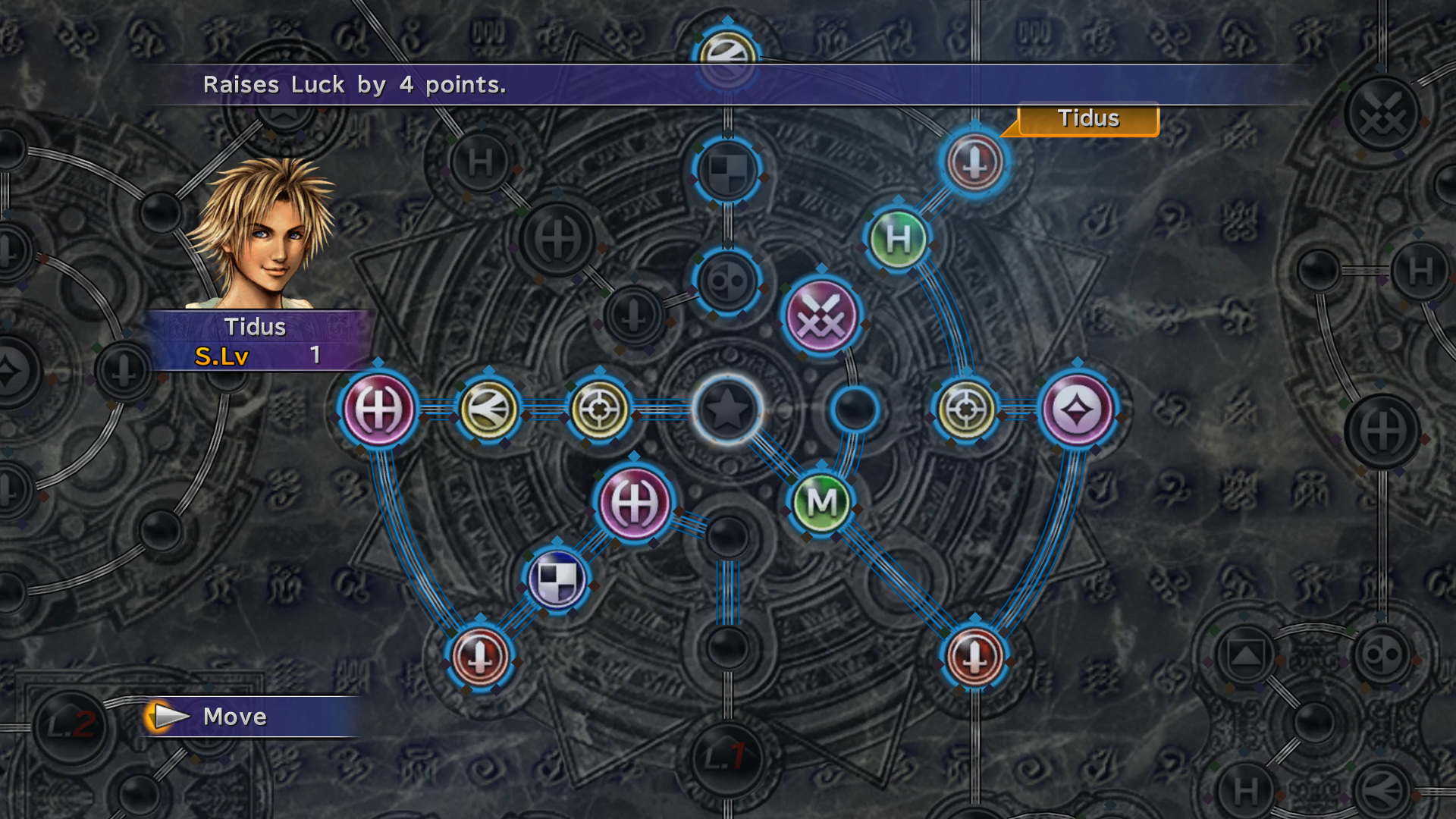
The user flow of the Character Menu is inspired by Destiny 2's character menu, where the equipment page serves as the landing page for the whole menu. A major concept in Lovecraftian Horror — non-Euclidean geometry — influenced the Skill Tree and splash screen designs.
Visual Inspiration
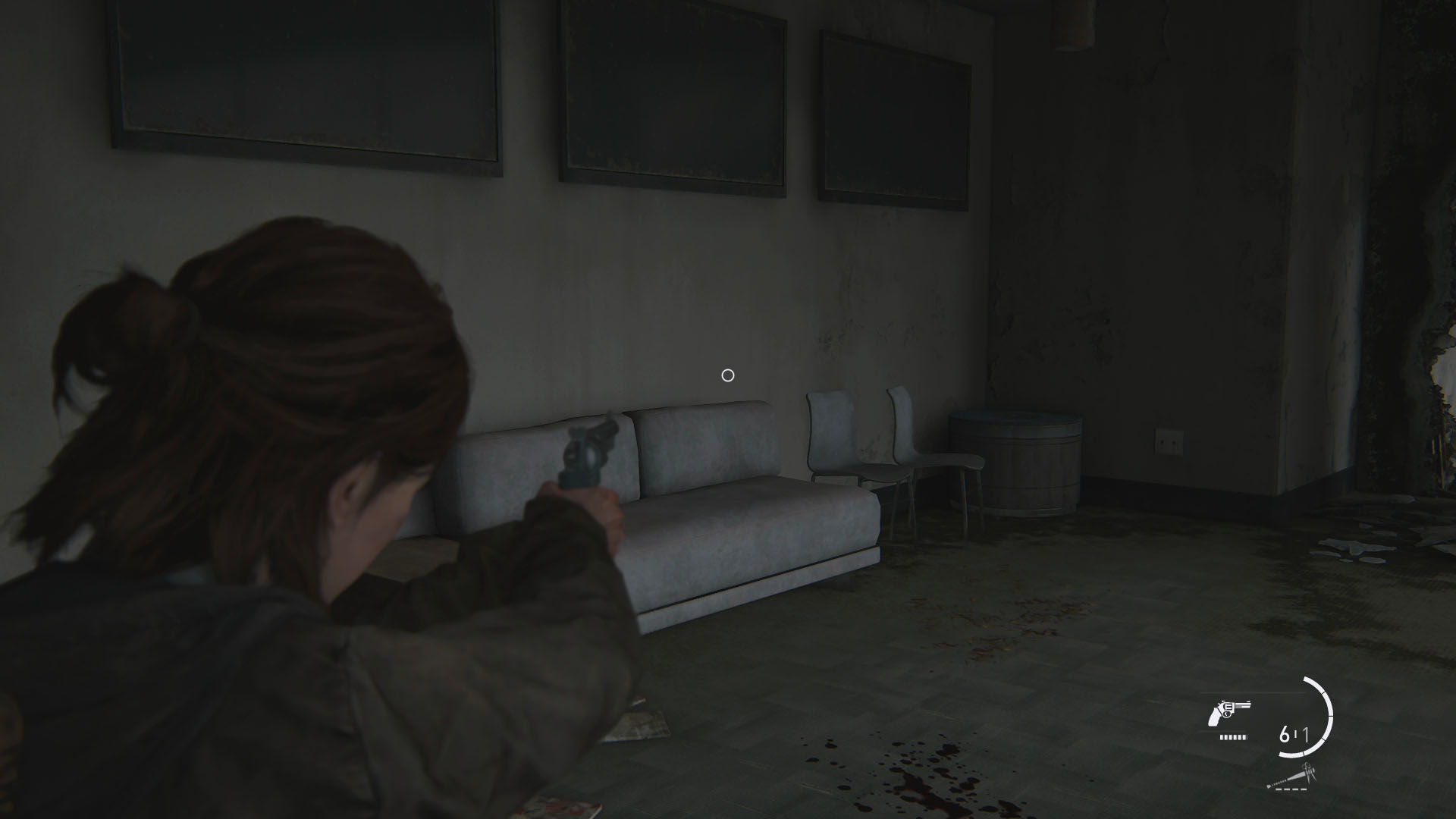
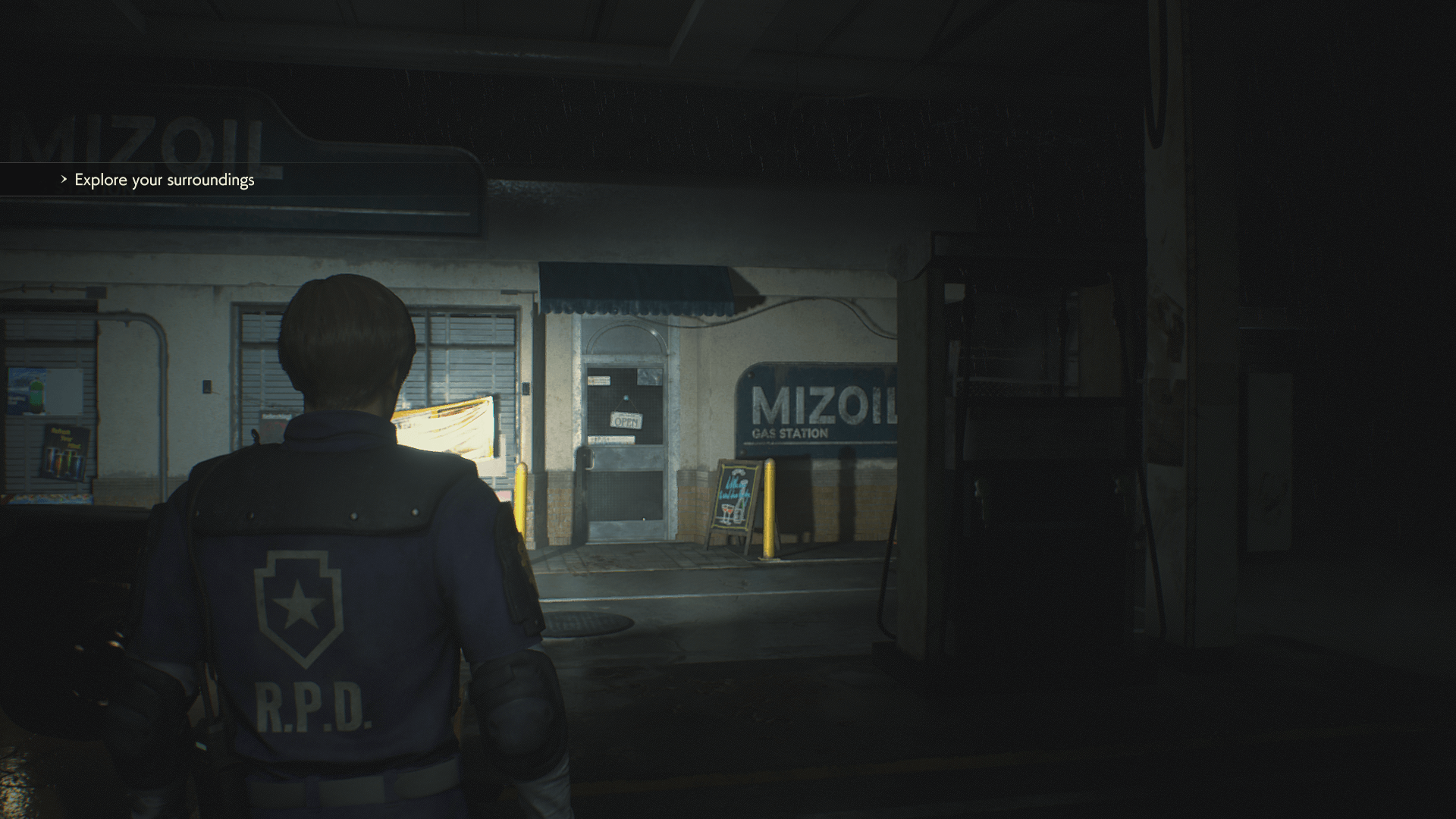
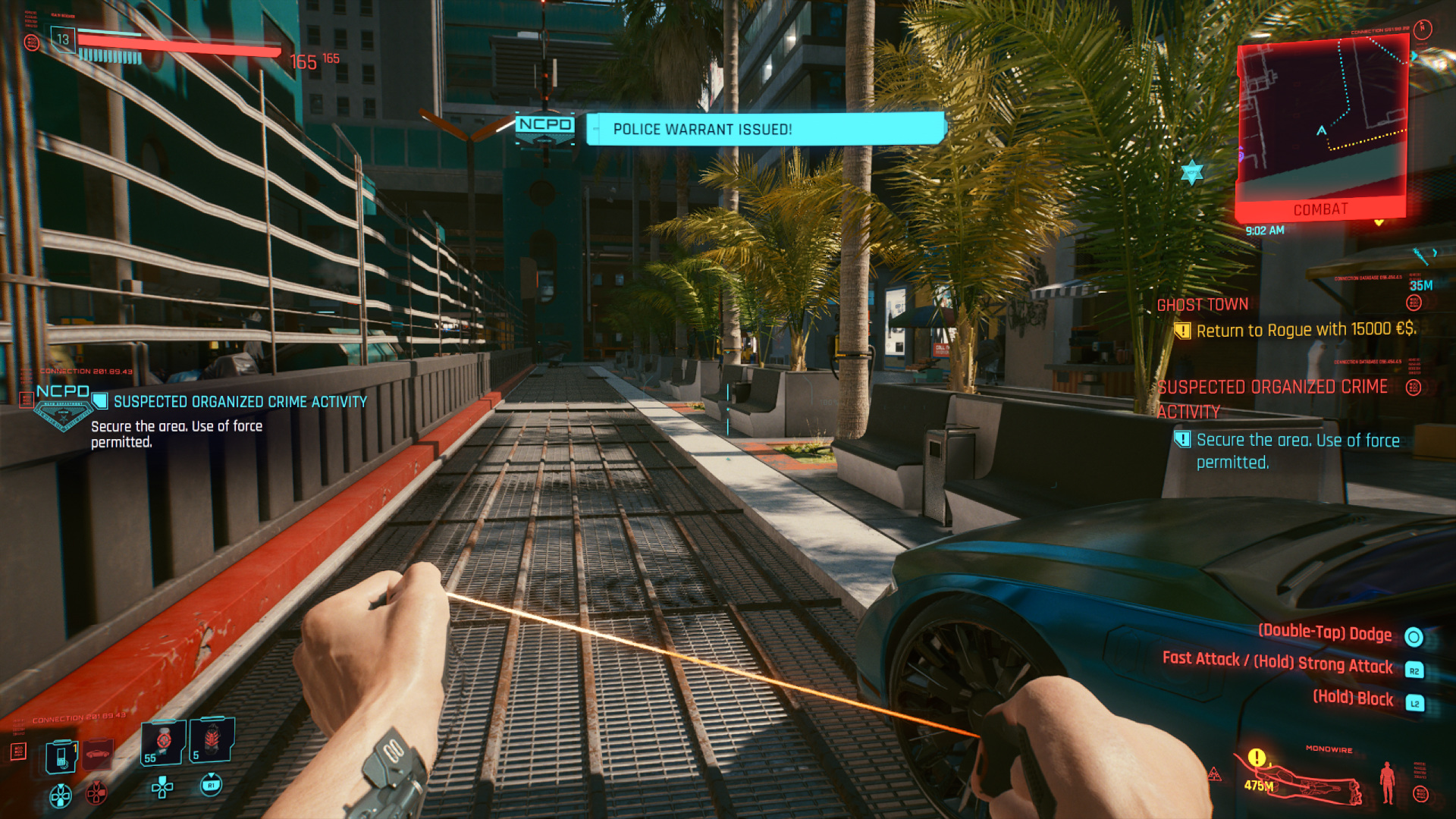
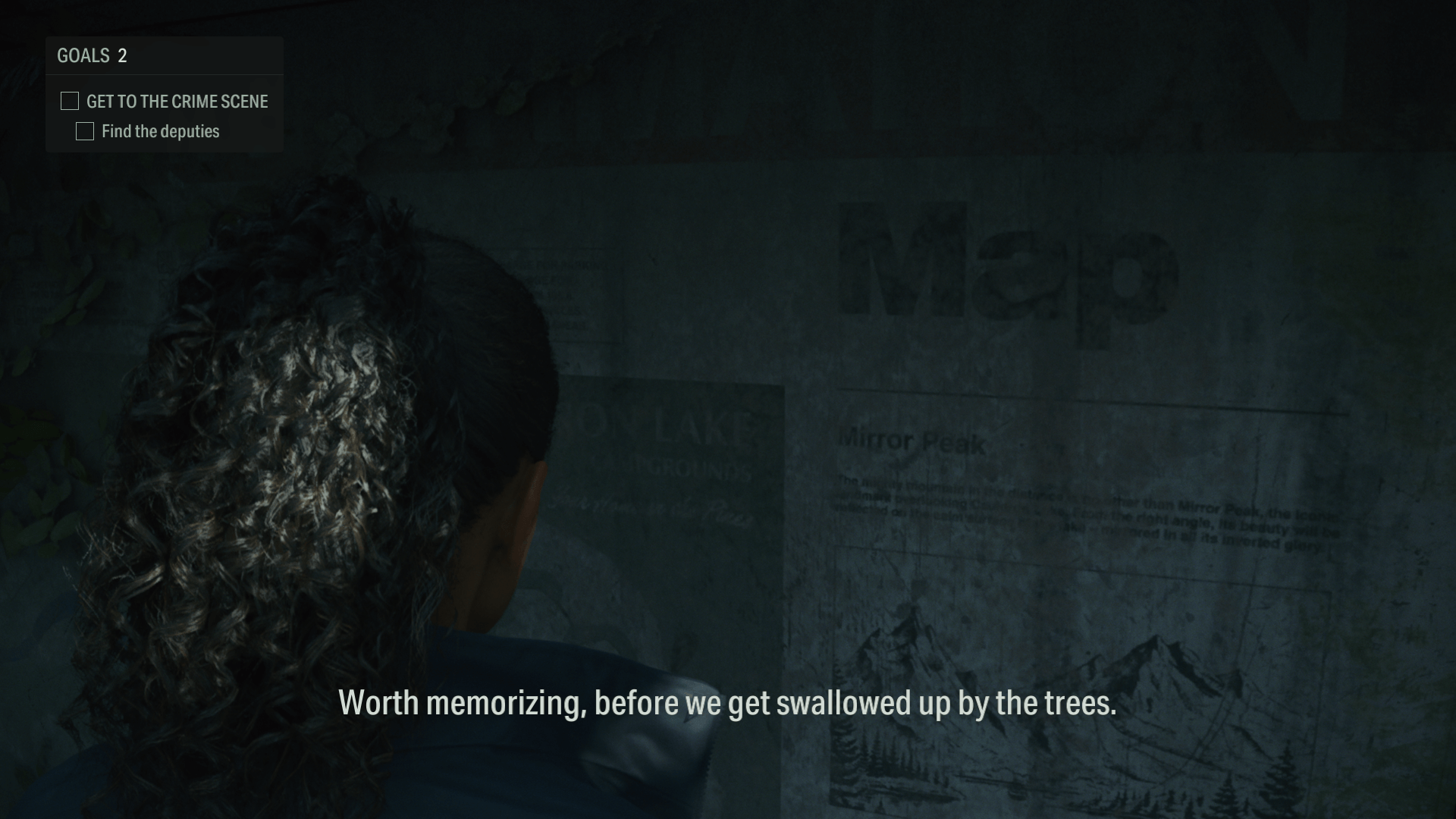
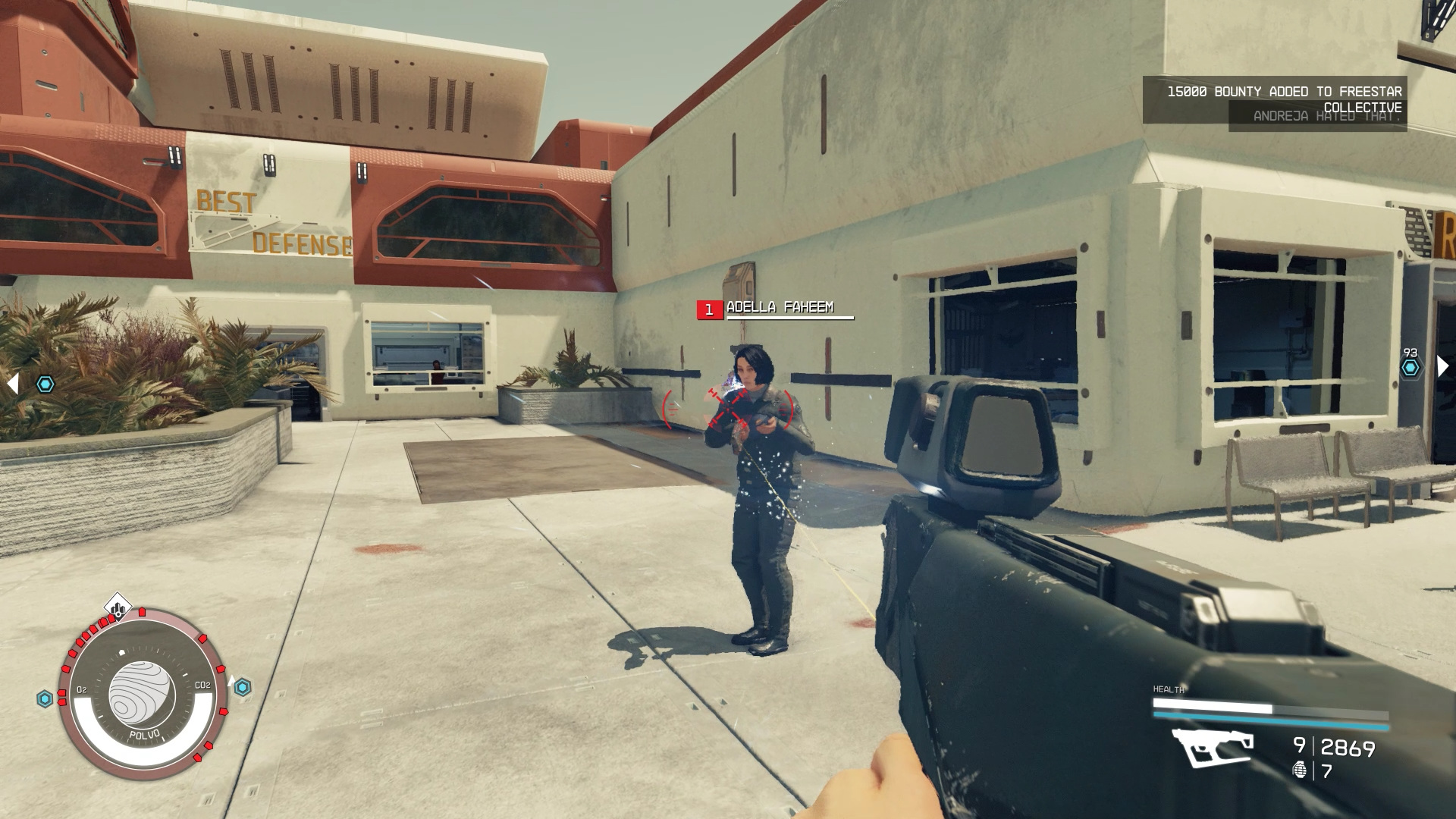
The inspiration gallery tries to take both aesthetic and functionality designs from multiple games that either enforce an immersive experience within a stylized world, and/or push forth live feature elements to further the GaaS features of TERMINUS.
Final Design
Start & Home Screens
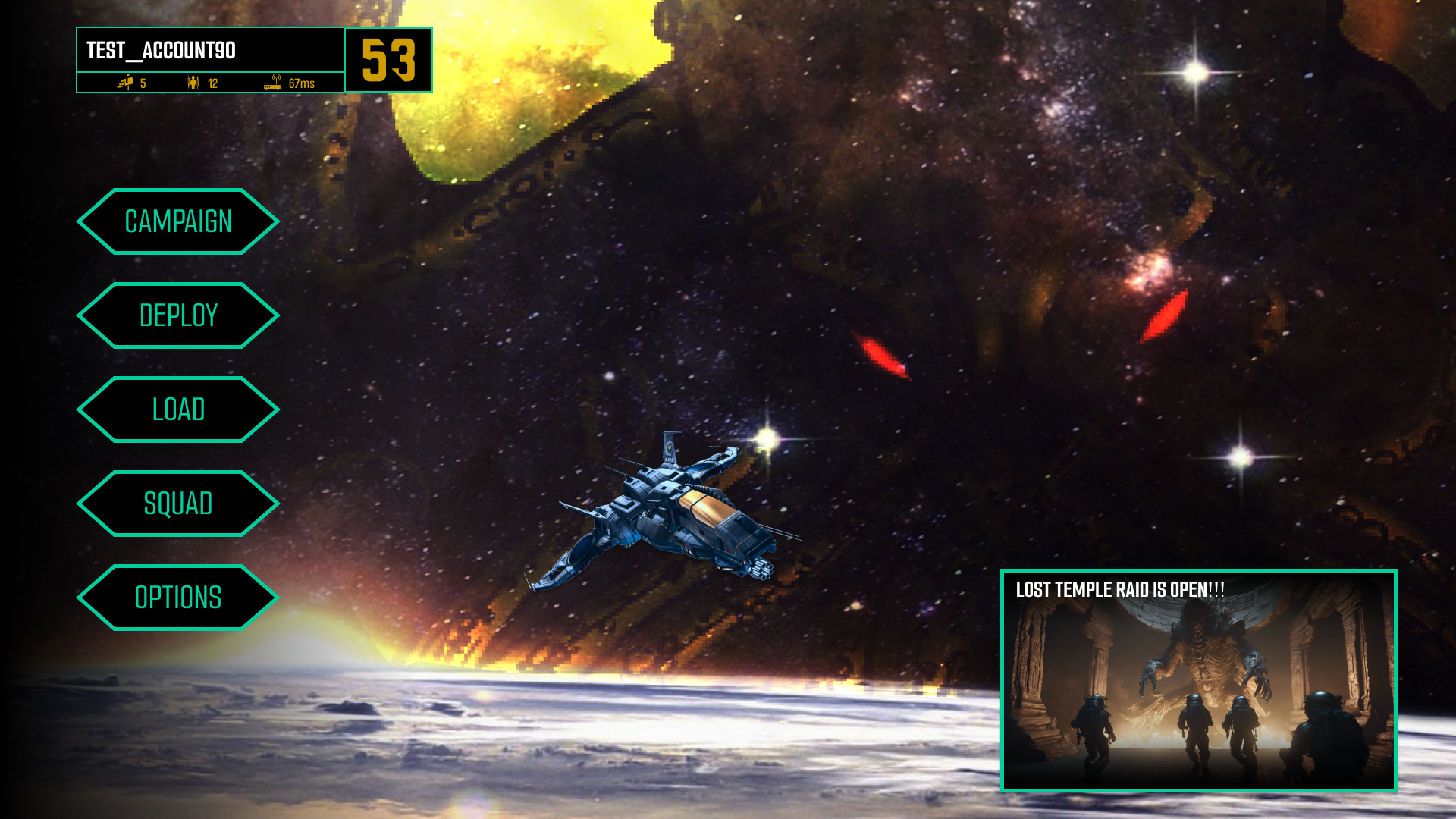
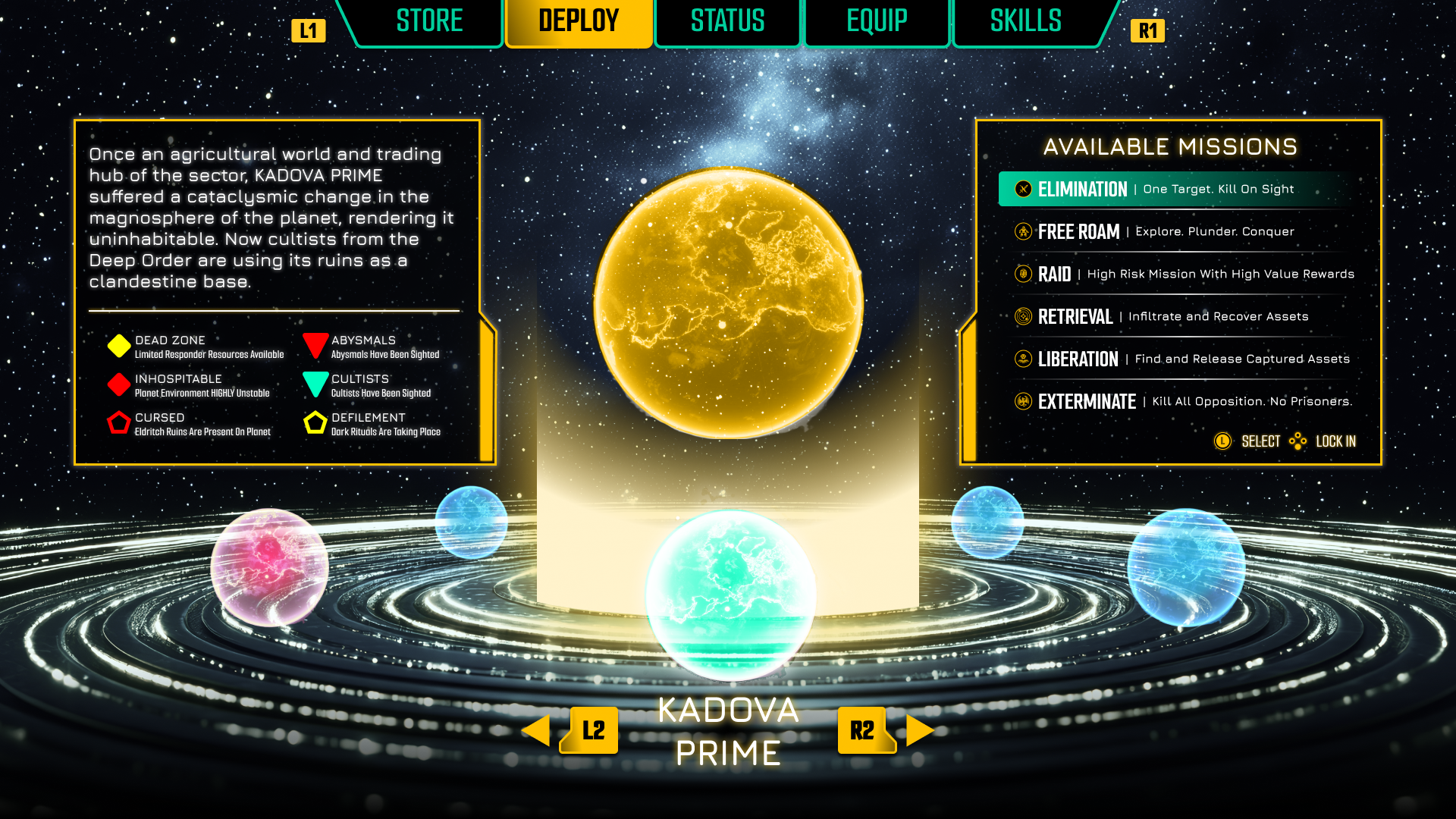
The start screen uses non-Euclidean geometry to mimic Lovecraftian Horror concepts. The home screen provides a simple navigation bar with two dynamic corner widgets — one for player progress info, one as a game/store update bulletin — with a background that changes based on the last deployment location.
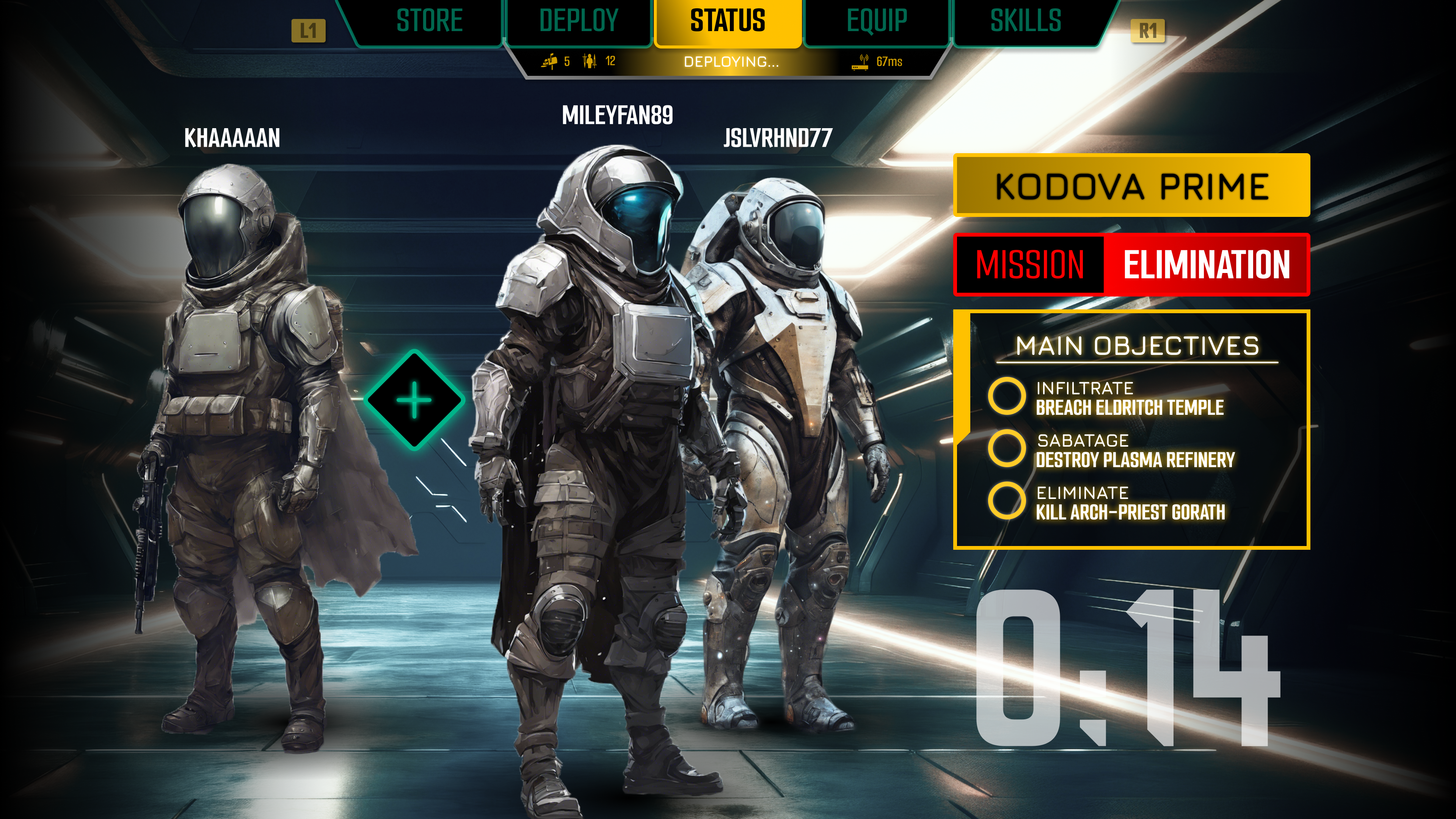
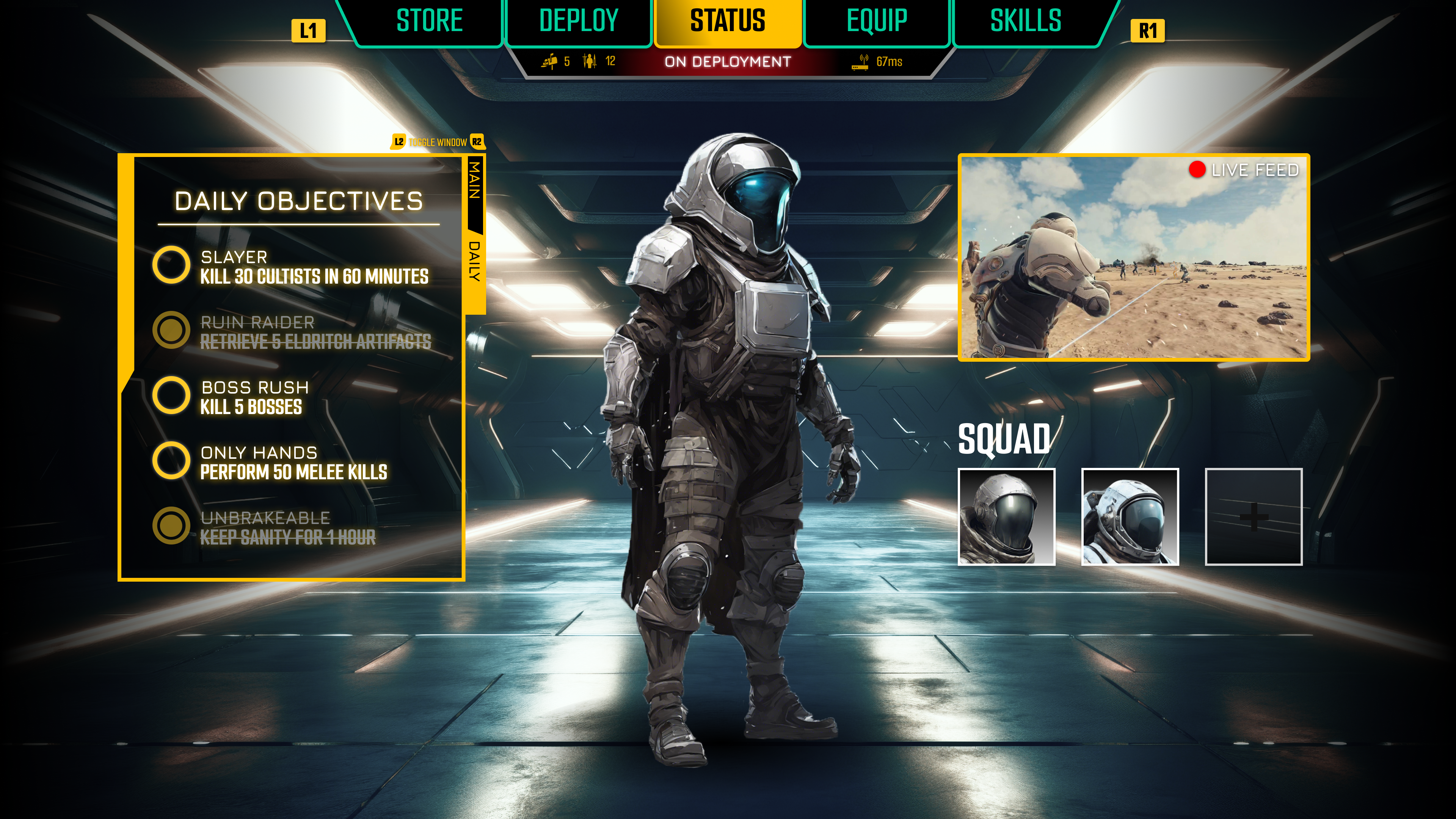
Player Menu & Store
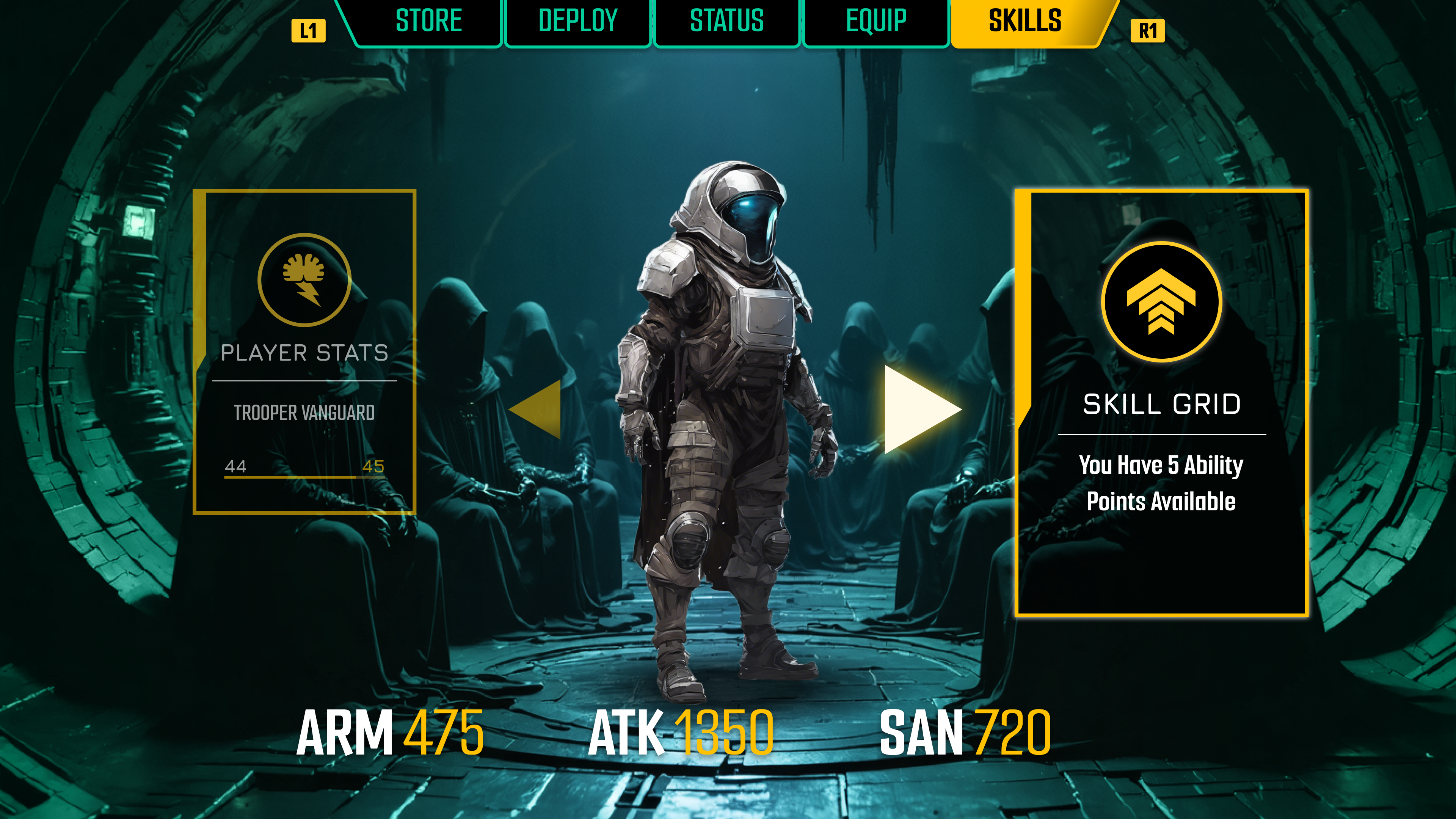
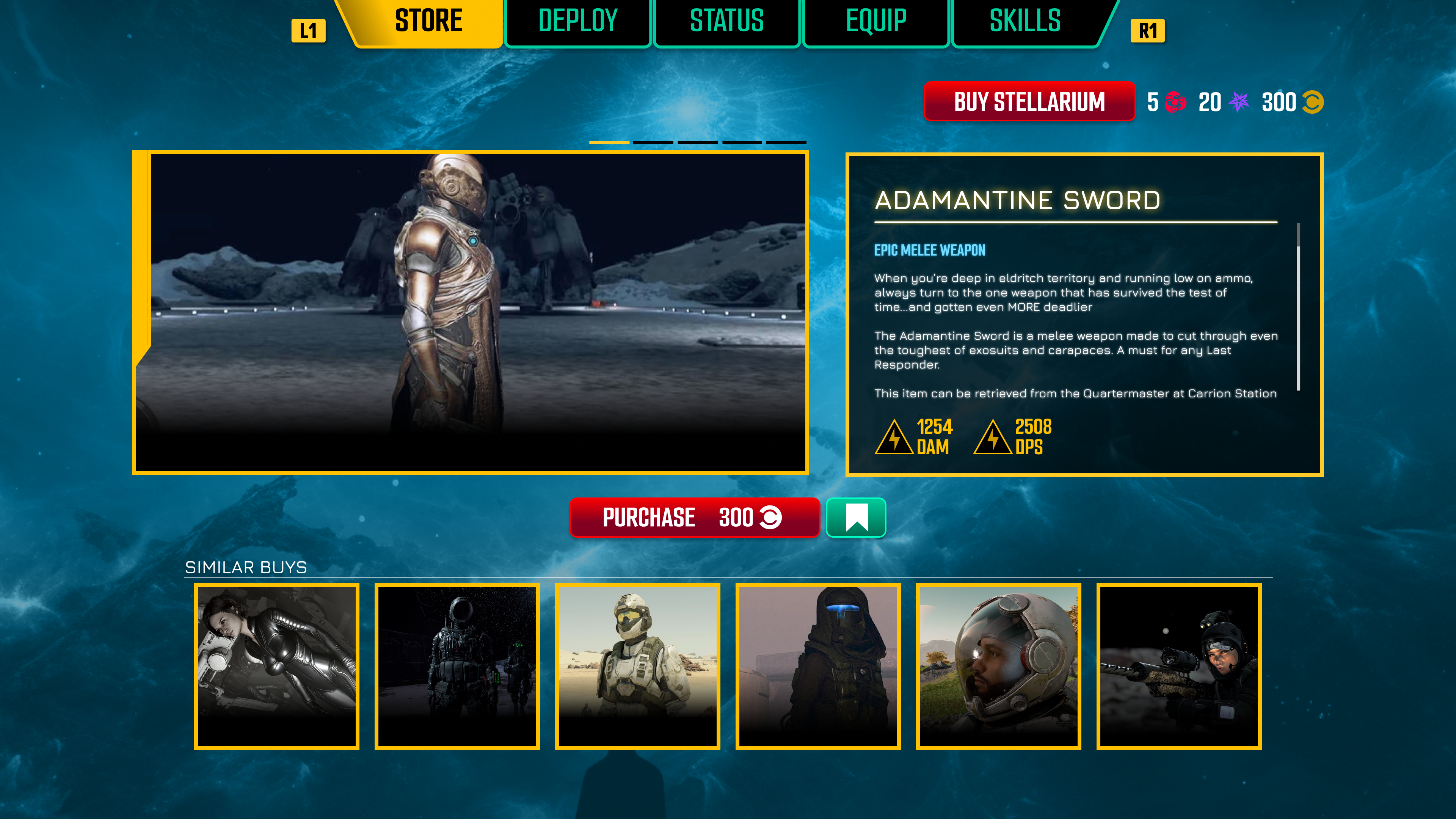
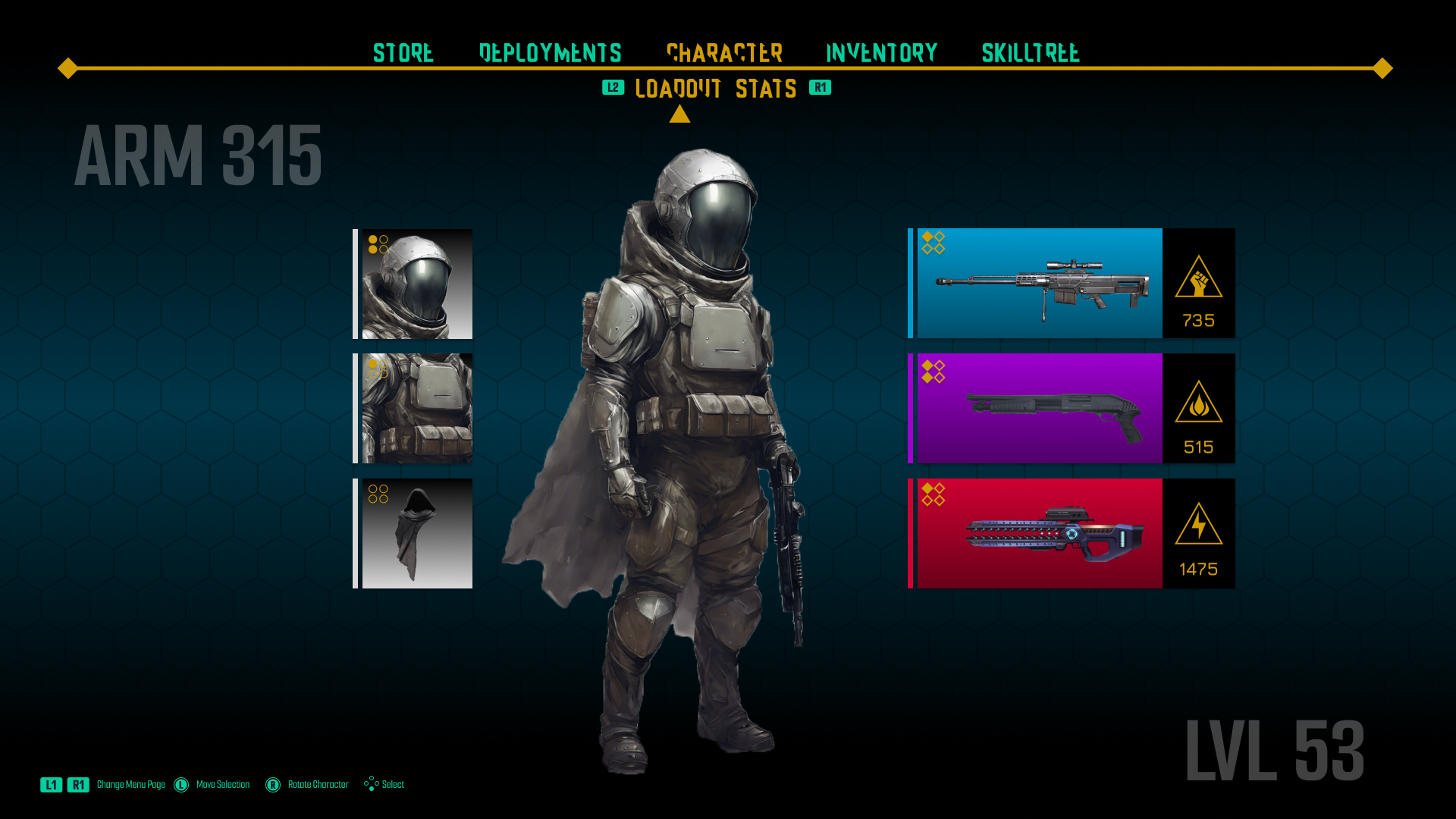
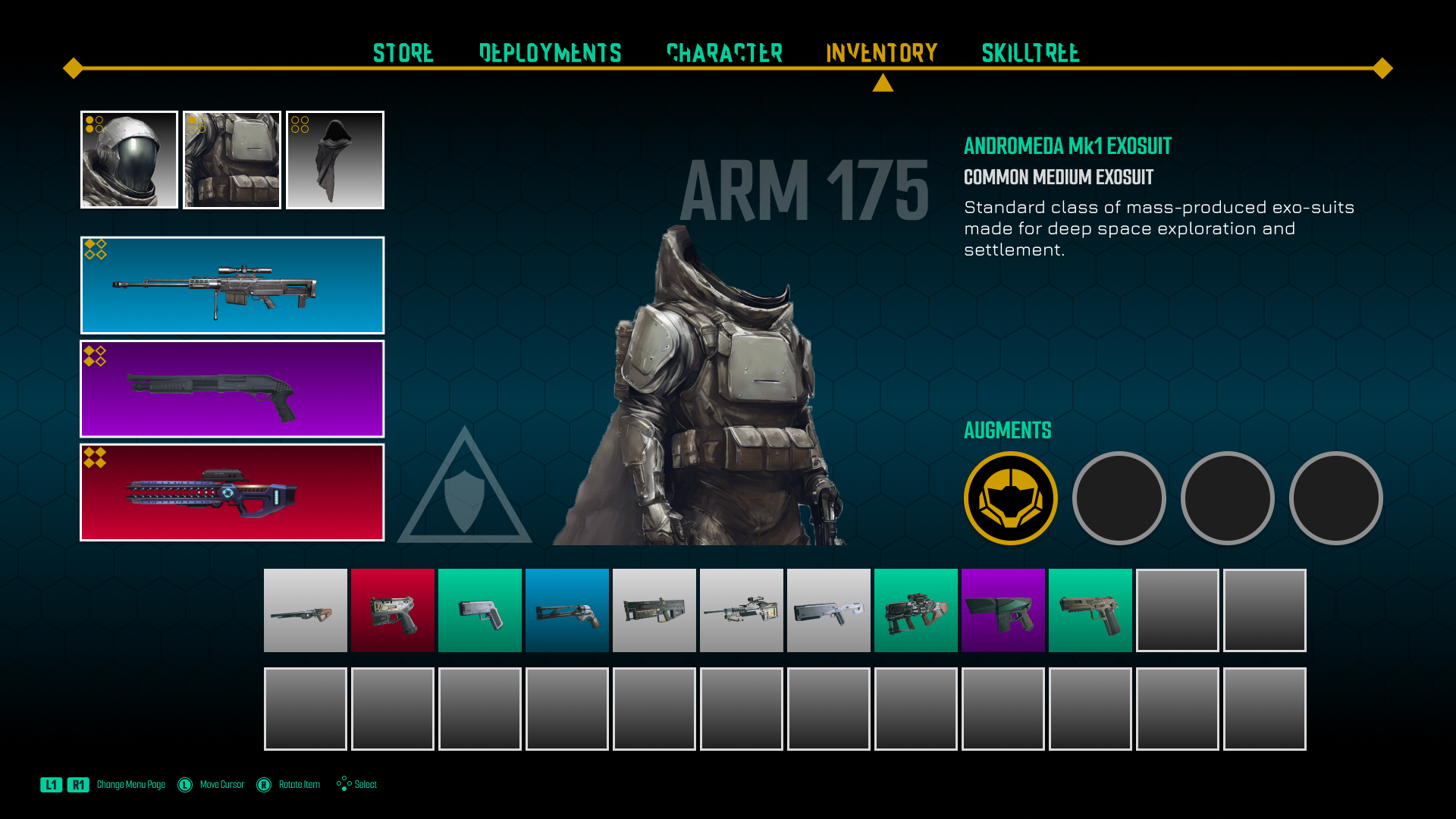
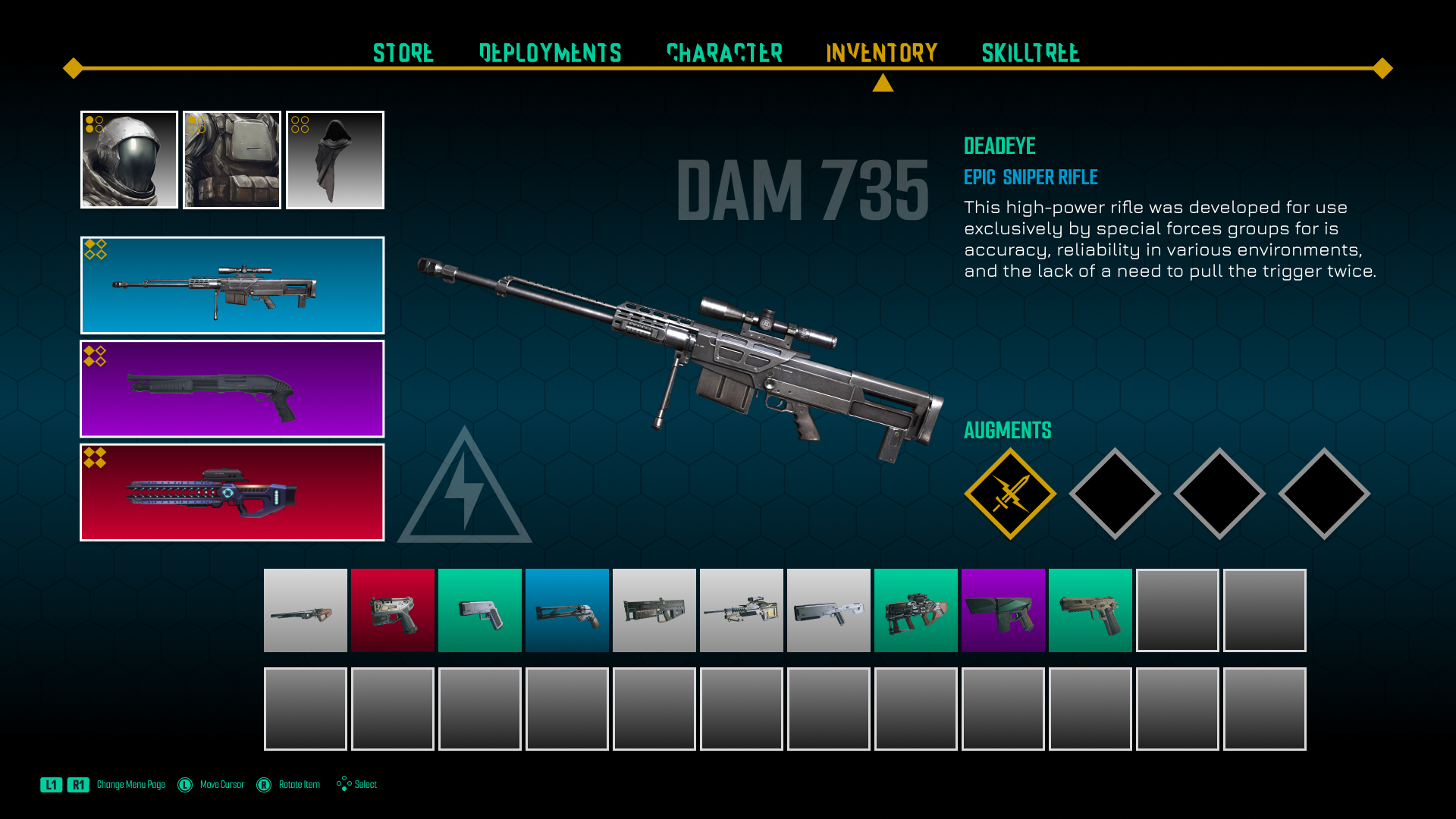
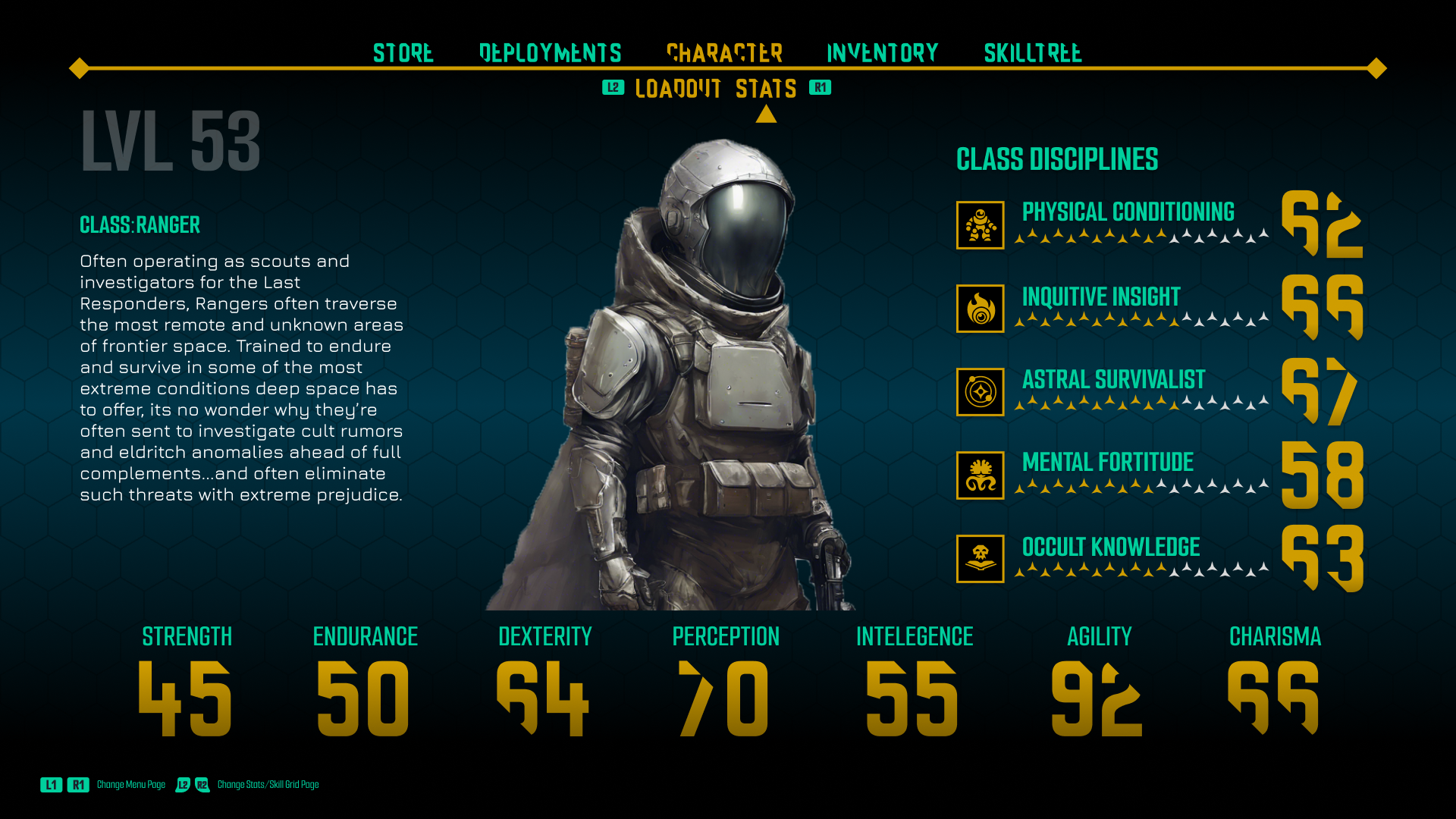
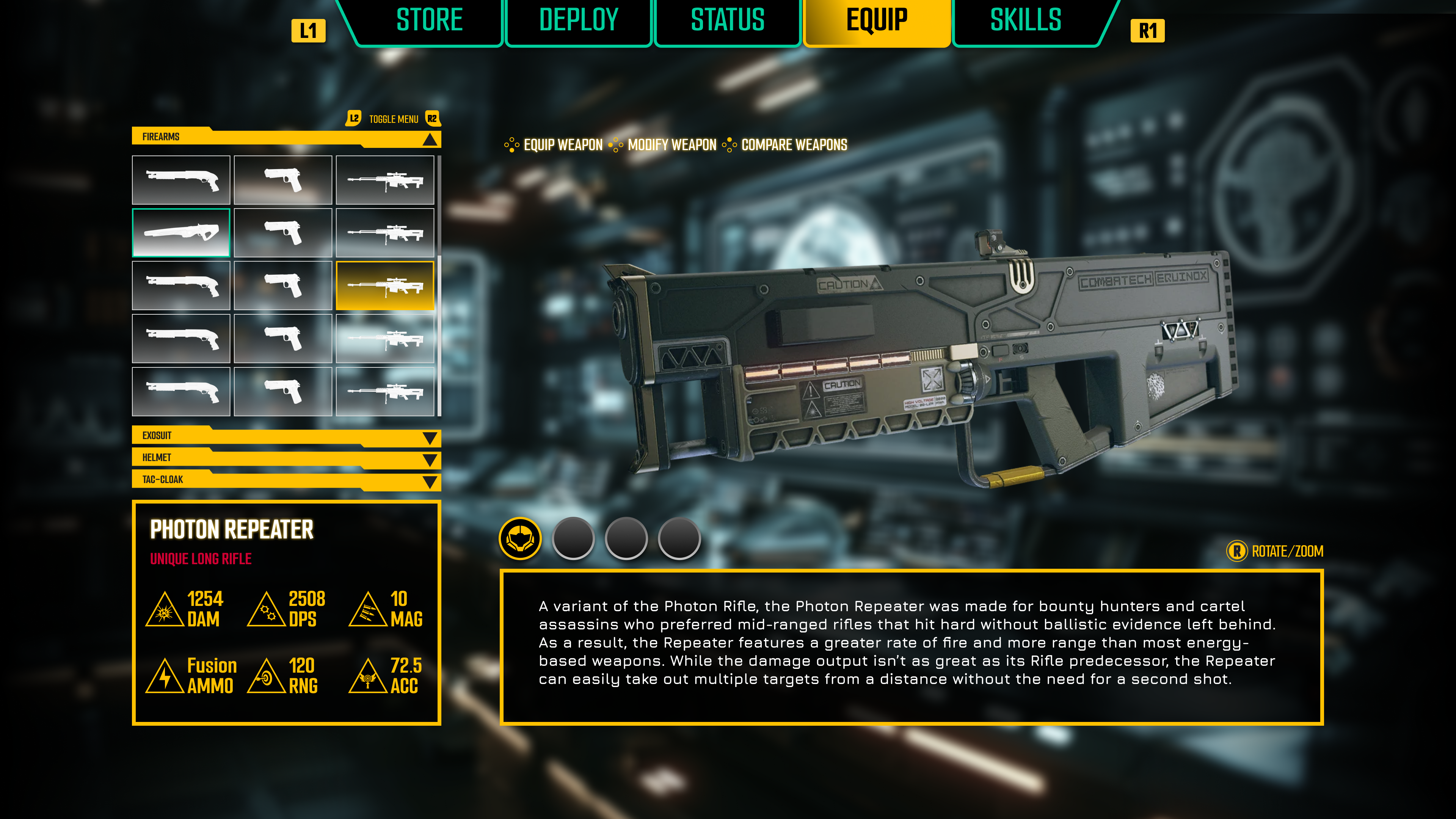
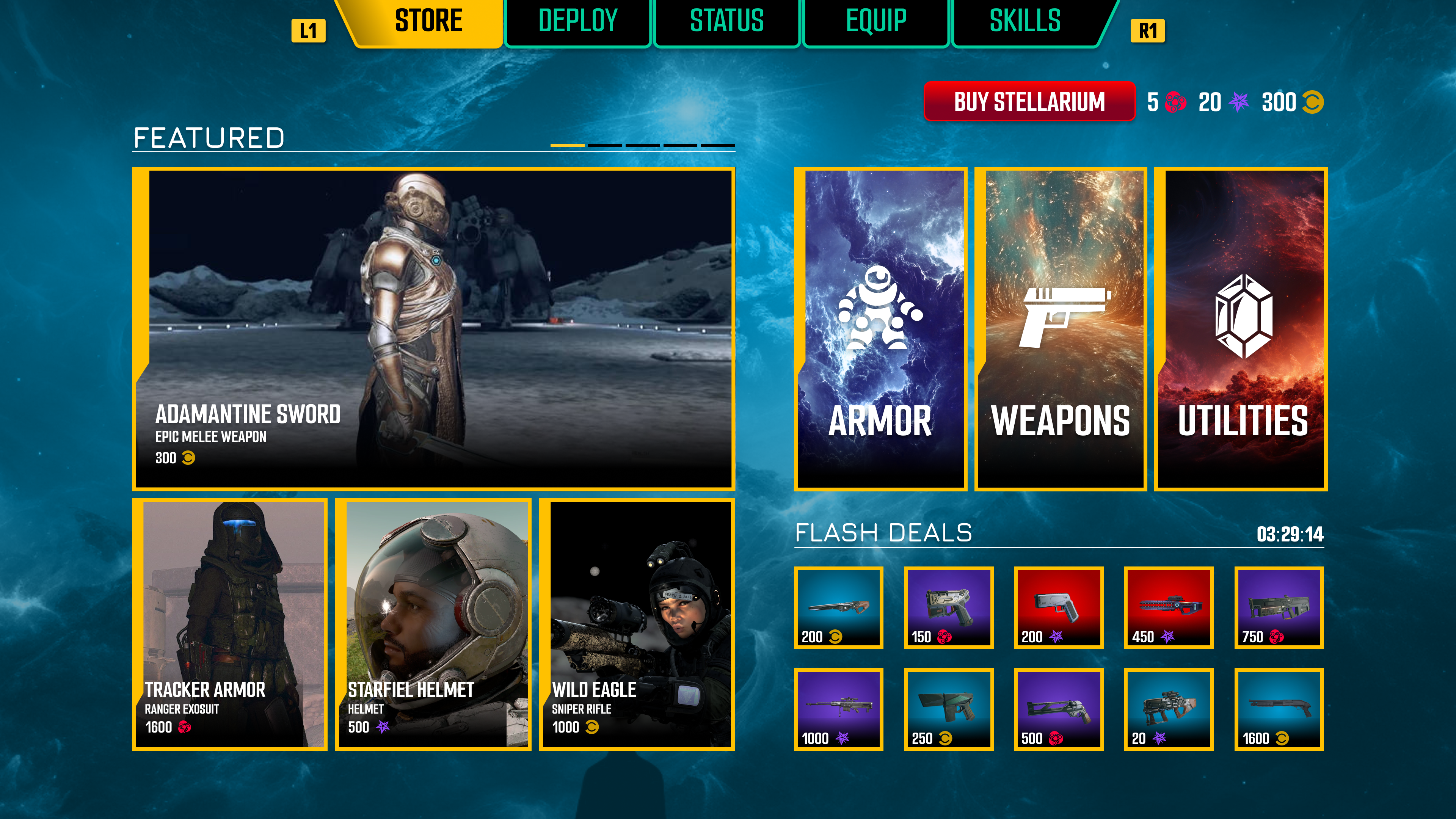
The character page features Loadout and Stats sub-menus. The store offers featured items color-coded by item difficulty, with individual item pages containing carousel imagery, lore, and purchase interactions. The inventory allows detailed readouts of all equipped and carried gear.
The difference between designing a user experience and a fun experience is drastically different, but dependent on one another. A bad UI can make a fun game frustrating, while a great UI doesn't matter if the game isn't fun.
"Live Service" has become a toxic phrase in recent years, but the model can be successful if the gameplay and experience are there and not bogged down in predatory schemes. From World of Warcraft to Destiny to Final Fantasy 14 — they all exemplify this. What made those games work was that they made you care about your characters and put the community first.
In hindsight, this concept could have done more to design interfaces that pushed for community — squads/clans, voice chat, etc. Without those, it may struggle with the pitfalls that define unsuccessful live service titles.